


€ 16,00 € 2,99 verzendkosten Totaal € 18,99

Gesponsorde links
|
|
16,00 |
Naar shop
|

|
17,98 |
Naar shop
|

|
17,98 |
Naar shop
|
| VERGELIJK ALLE AANBIEDERS (3) | ||
 Beschrijving
Vergelijk aanbieders (3)
Gesponsorde links · Sommige shops betalen ons een vergoeding
€ 16,00 € 2,99 verzendkosten Totaal € 18,99
€ 17,98 Gratis verzending
€ 17,98 Gratis verzending
Winkels met andere maten
Beschrijving
(1)
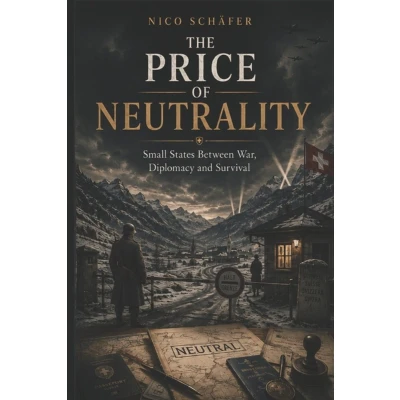
Neutrality sounds like distance, security and peace. But what happens when small states lie between rival great powers, their economies depend on the belligerents and their borders suddenly decide on life and death? This book tells the story of European states that tried to stay out of the great wars of the twentieth century. The focus is on Switzerland, Sweden, Spain, Portugal, Ireland, the Netherlands, Belgium, Norway, Denmark, Turkey and several small European states. Their governments had to weigh up military threats, diplomatic pressure, economic dependence and moral responsibility. Why was Belgian neutrality violated despite international guarantees? Why did Switzerland and Sweden remain unoccupied during the Second World War? What role did Swedish iron ore, Portuguese tungsten, Turkish chromium and Swiss banks play? To what extent were neutral states allowed to accommodate the warring parties in order to protect their own populations? And what responsibility did they bear towards refugees, persecuted people and the victims of the National Socialist regime? The book shows that neutrality never just meant not fighting. It required mobilization, negotiations, economic concessions and often difficult moral decisions. Some states thus preserved their independence. Others were occupied despite all precautions. Still others used their neutral position to take in refugees, facilitate diplomatic contacts or provide humanitarian aid. At the same time, the presentation does not conceal the dark sides. Supplies of raw materials supported the German war economy, stolen gold ended up in neutral financial systems and those seeking protection were rejected at borders. Neutrality saved countries from destruction, but it did not offer automatic moral innocence. This book is aimed at history buffs who want to get a well-founded and understandable overview of the topic. It is not designed as a scientific textbook for historians, but conveys the most important events, contexts and political decisions in a factual, descriptive and easily comprehensible form. A historical reflection on power and dependence, security and responsibility, as well as the question of what price a state is willing to pay in order to remain neutral in the midst of a war.
 Prijshistorie
* Prijshistorie bevat geen data van Amazon, Amazon Marketplace.
Prijzen voor het laatst bijgewerkt op:
 Gerelateerde resultaten
 Productspecificaties


