


€ 18,00 € 2,99 verzendkosten Totaal € 20,99

Gesponsorde links
|
|
18,00 |
Naar shop
|

|
21,39 |
Naar shop
|

|
21,39 |
Naar shop
|
| VERGELIJK ALLE AANBIEDERS (3) | ||
 Beschrijving
Vergelijk aanbieders (3)
Gesponsorde links · Sommige shops betalen ons een vergoeding
€ 18,00 € 2,99 verzendkosten Totaal € 20,99
€ 21,39 Gratis verzending
€ 21,39 Gratis verzending
Winkels met andere maten
Beschrijving
(1)
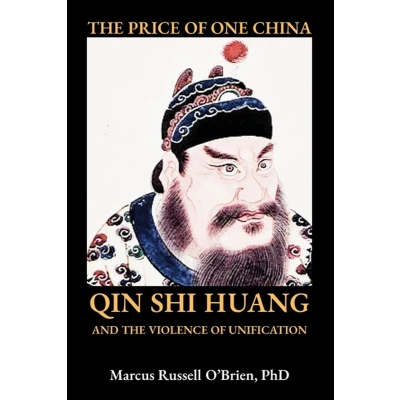
In 221 BC, Qin Shi Huang accomplished what generations of rulers had failed to achieve: he conquered the rival kingdoms of the Warring States and forged them into a single empire.But unification came at a price.Behind the title of First Emperor stood a state built on relentless military campaigns, rigid Legalist administration, mass conscription, political repression, and extraordinary demands on the people who lived under Qin rule. The same machinery that made Qin powerful also produced walls, roads, palaces, and a vast mausoleum complex whose terracotta army still stands as one of history's most remarkable archaeological discoveries.The Price of One China examines the man behind the legend and the system behind his achievement. From Ying Zheng's childhood as a hostage prince and his turbulent rise to power, through the conquest of six rival states, the creation of a new imperial order, the suppression of dissent, assassination attempts, and his obsessive search for immortality, this book follows the transformation of a divided world into a unified empire.Yet the story does not end with Qin Shi Huang's death. The Qin dynasty collapsed within fifteen years, but much of the political and administrative structure it created survived. The Han dynasty that condemned Qin tyranny nevertheless inherited its centralized bureaucracy, commandery system, standardized script, and much of its governing machinery.Drawing on ancient accounts, archaeological discoveries, and modern historical scholarship, this book refuses both simple glorification and simple condemnation.Qin Shi Huang built a state that would influence China for more than two thousand years.The question is what - and who - it cost to build it.
 Prijshistorie
* Prijshistorie bevat geen data van Amazon, Amazon Marketplace.
Prijzen voor het laatst bijgewerkt op:
 Gerelateerde resultaten
 Productspecificaties


