


€ 14,00 € 2,99 verzendkosten Totaal € 16,99

Uitgelicht
|
|
14,00 |
Naar shop
|

|
15,03 |
Naar shop
|
| VERGELIJK ALLE AANBIEDERS (2) | ||
 Beschrijving
Vergelijk aanbieders (2)
€ 14,00 € 2,99 verzendkosten Totaal € 16,99
€ 15,03 Gratis verzending
Winkels met andere maten
Beschrijving
(1)
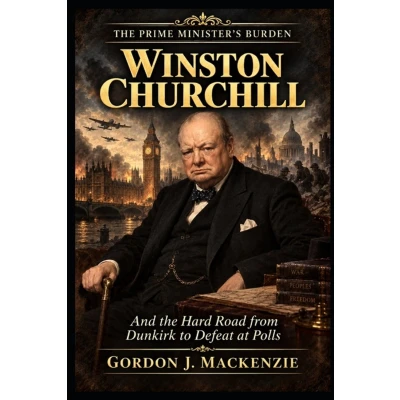
Winston Churchill entered Downing Street in May 1940 as German forces swept through Western Europe and Britain faced the possibility of military defeat. His refusal to consider surrender helped define the national response, but survival depended on far more than speeches and personal resolve. Churchill had to hold together Cabinet, Parliament, the armed forces, the Crown and a coalition government while persuading a frightened country that resistance remained possible. The years that followed tested every part of that leadership. Dunkirk saved the core of the British Army but left Britain exposed, the Battle of Britain and Blitz brought the war directly to civilians, and later disasters at Singapore and Tobruk exposed serious weaknesses in British power. Churchill also had to manage increasingly powerful allies, particularly Franklin Roosevelt and Joseph Stalin, while accepting that Britain could no longer determine Allied strategy alone. Victory eventually came through El Alamein, the Atlantic struggle, Italy, D-Day and the collapse of Nazi Germany, but triumph created a new political problem. The British public admired Churchill's wartime leadership while looking toward housing, employment, health care and social reconstruction. In July 1945, only weeks after victory in Europe, voters chose Clement Attlee and Labour to build the peace. Winston Churchill: And the Hard Road from Dunkirk to Defeat at Polls is a biography of leadership under extreme pressure, but also of the limits placed on even the most powerful Prime Minister. It follows Churchill from soldier and journalist to wartime leader, victor, electoral loser and eventually Prime Minister again. His story reveals how personal courage, political judgement and extraordinary rhetoric
 Prijshistorie
 * Prijshistorie bevat geen data van Amazon.
Prijzen voor het laatst bijgewerkt op:
 Gerelateerde resultaten
 Productspecificaties


