

€ 13,92 Gratis verzending

Uitgelicht
|
|
13,92 |
Naar shop
|

|
13,92 |
Naar shop
|

|
13,92 |
Naar shop
|
| VERGELIJK ALLE AANBIEDERS (3) | ||
 Beschrijving
Vergelijk aanbieders (3)
€ 13,92 Gratis verzending
€ 13,92 Gratis verzending
€ 13,92 € 2,99 verzendkosten Totaal € 16,91
Winkels met andere maten
Beschrijving
(1)
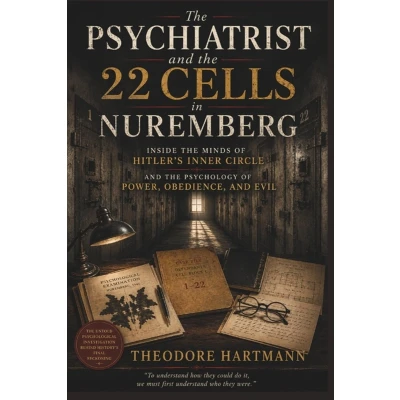
What if the men responsible for some of history's greatest crimes were not the monsters we imagine them to be? In the autumn of 1945, beneath the historic Palace of Justice in Nuremberg, twenty-two prison cells held the surviving leaders of the Third Reich. Once among the most powerful men in Europe, they now awaited judgment before the world. Generals, propagandists, diplomats, and architects of a regime that had plunged humanity into catastrophe sat behind locked doors, stripped of their authority and facing an uncertain future. Into those cells walked an American psychiatrist named Douglas Kelley. His assignment seemed straightforward: determine whether the prisoners were mentally fit to stand trial. But what began as a professional evaluation soon became one of the most extraordinary psychological investigations of the twentieth century. As Kelley interviewed figures such as Hermann Göring, Rudolf Hess, Joachim von Ribbentrop, and others, he searched for answers to questions that still haunt us today. Were these men insane? Were they born evil? Or were they disturbingly ordinary human beings who had embraced extraordinary cruelty? Drawing on historical records, psychological examinations, trial transcripts, and the remarkable encounters
 Prijshistorie
 * Prijshistorie bevat geen data van Amazon, Amazon Marketplace.
Prijzen voor het laatst bijgewerkt op:
 Gerelateerde resultaten
 Productspecificaties


