


€ 12,50 € 2,99 verzendkosten Totaal € 15,49

Uitgelicht
|
|
12,50 |
Naar shop
|

|
13,14 |
Naar shop
|
| VERGELIJK ALLE AANBIEDERS (2) | ||
 Beschrijving
Vergelijk aanbieders (2)
€ 12,50 € 2,99 verzendkosten Totaal € 15,49
€ 13,14 Gratis verzending
Winkels met andere maten
Beschrijving
(1)
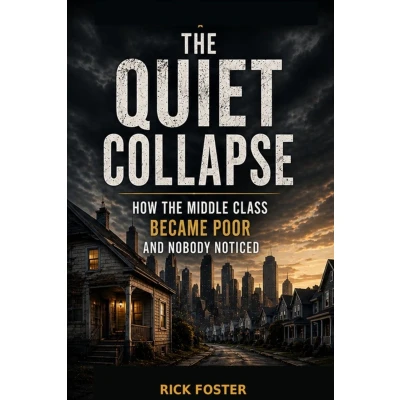
"We were poor, and we knew it. That was my advantage."Rick Foster was eleven years old when his family's house was condemned as unfit for human habitation. He knew what poverty looked like. He knew what it felt like. And, perhaps most importantly, he knew what to call it.Decades later, Foster sees something strangely familiar in families who would never describe themselves as poor. They have jobs, degrees, homes, and respectable incomes. Yet they live paycheck to paycheck, carry debt for ordinary expenses, postpone medical care, work second jobs, and know that one unexpected bill can throw everything into question.They call themselves middle class.But what if the middle class we remember has already quietly collapsed?In The Quiet Collapse, Foster combines personal story, history, economic evidence, and years spent listening to students and working families to examine what has happened to ordinary American life. His argument is simple but unsettling: middle class was never merely an income bracket. It was a level of security. It meant that ordinary work could provide a home, healthcare, some savings, a little margin, and reasonable confidence about tomorrow.For millions of Americans, that security has become increasingly difficult to achieve-even as the label middle class remains.This is not a nostalgic argument that everything was better in the past, nor is it a search for a single political villain. The forces that brought us here are complicated: policy choices, markets, technology, globalization, changing institutions, cultural expectations, and decisions made by millions of people over decades.But the consequences are increasingly difficult to ignore.The Quiet Collapse asks a question that statistics alone cannot answer: What kind of life should ordinary work make possible?For anyone who has wondered how a family can earn more than ever and somehow feel less secure, why a raise disappears before it reaches the bank, or why doing everything "right" no longer seems to produce the stability previous generations expected, this book offers something increasingly rare: A name for what is happening.Because sometimes the first step toward rebuilding is simply being willing to see clearly what has been lost.
 Prijshistorie
 * Prijshistorie bevat geen data van Amazon.
Prijzen voor het laatst bijgewerkt op:
 Gerelateerde resultaten
 Productspecificaties


