


€ 13,00 € 2,99 verzendkosten Totaal € 15,99

Uitgelicht
|
|
13,00 |
Naar shop
|

|
13,65 |
Naar shop
|
| VERGELIJK ALLE AANBIEDERS (2) | ||
 Beschrijving
Vergelijk aanbieders (2)
€ 13,00 € 2,99 verzendkosten Totaal € 15,99
€ 13,65 Gratis verzending
Winkels met andere maten
Beschrijving
(1)
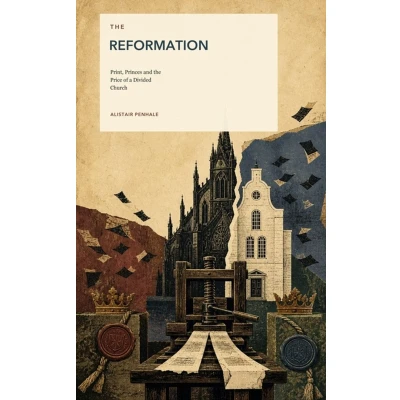
Criticism of the church was not new in 1517. Wyclif had made it in the fourteenth century, Hus had been burned for it in 1415, and councils had argued about reform for a hundred years without result. The question this book asks is why the objection of an obscure German professor did not fizzle out as the others had.The answers lie less in theology than in conditions. A church that needed money and sold office to raise it. A clergy so numerous that in some towns one adult in twenty was in orders. A laity whose piety was intense rather than exhausted, which raises the explosive charge of the period rather than lowering it: people who cared little would not have quarrelled so bitterly. And a printing industry that had reached the point where a pamphlet could cross the empire in weeks and a woodcut could carry an argument to those who could not read.From there the book follows the process and the people who carried it: Zwingli in Zurich and the quarrel over the supper that split the movement before it had consolidated, Calvin and Geneva, the Anabaptists and the catastrophe at Munster, the princes who found a confession useful, and the Council of Trent that answered rather than collapsed.It also counts the cost. The wars, the expulsions, the executions on every side, and the two confessional cultures that Europe was still living with three hundred years later. This is a work of history, without heroes in either direction.
 Prijshistorie
 * Prijshistorie bevat geen data van Amazon.
Prijzen voor het laatst bijgewerkt op:
 Gerelateerde resultaten
 Productspecificaties


