
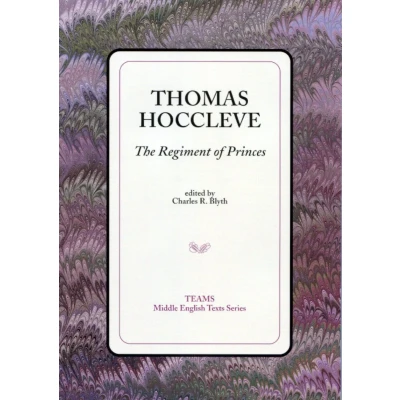
The Regiment of Princes
Uitgelicht

|
16,50 |
Naar shop
|
| VERGELIJK ALLE AANBIEDERS (1) | ||
 Beschrijving
Bol Partner
Essentially it is addressed to a prince on the subject of his governance, but it exhibits considerable generic instability and thus raises fundamental questions about how we should understand the tone of considerable portions of the poem. Written in 1410–1411 by Thomas Hoccleve, a clerk of the Privy Seal and a prominent poet of his generation, The Regiment of Princes is a quintessential example in Middle English of the conduct manual genre. While popular during the century of its origin—43 manuscripts still survive today—it fell from both popular and scholarly attention until only recently. Dedicated to Henry V, then merely Prince Henry, The Regiment of Princes is notable for its clear identification of its source texts, its advice on living a virtuous life as a royal, and its early acclamation of Chaucer as “the first fyndere of our fair langage” of English. It offers remarkable insight into the challenges faced by Middle English poets as well, where Hoccleve appears as a character to lament his financial difficulties. This edition is the first to base its text on a comprehensive study and full collation of all extent Regiment manuscripts.


Vergelijk aanbieders (1)

 Beschrijving
(1)
Beschrijving
(1)
Essentially it is addressed to a prince on the subject of his governance, but it exhibits considerable generic instability and thus raises fundamental questions about how we should understand the tone of considerable portions of the poem. Written in 1410–1411 by Thomas Hoccleve, a clerk of the Privy Seal and a prominent poet of his generation, The Regiment of Princes is a quintessential example in Middle English of the conduct manual genre. While popular during the century of its origin—43 manuscripts still survive today—it fell from both popular and scholarly attention until only recently. Dedicated to Henry V, then merely Prince Henry, The Regiment of Princes is notable for its clear identification of its source texts, its advice on living a virtuous life as a royal, and its early acclamation of Chaucer as “the first fyndere of our fair langage” of English. It offers remarkable insight into the challenges faced by Middle English poets as well, where Hoccleve appears as a character to lament his financial difficulties. This edition is the first to base its text on a comprehensive study and full collation of all extent Regiment manuscripts.
 Productspecificaties
| EAN |
|
|---|---|
| Maat |
|
 Prijshistorie
Prijzen voor het laatst bijgewerkt op:
 Gerelateerde resultaten


