


€ 27,99 Gratis verzending

Uitgelicht
|
|
27,99 |
Naar shop
|

|
31,22 |
Naar shop
|

|
31,22 |
Naar shop
|
| VERGELIJK ALLE AANBIEDERS (3) | ||
 Beschrijving
Vergelijk aanbieders (3)
€ 27,99 Gratis verzending
€ 31,22 Gratis verzending
€ 31,22 Gratis verzending
Winkels met andere maten
Beschrijving
(1)
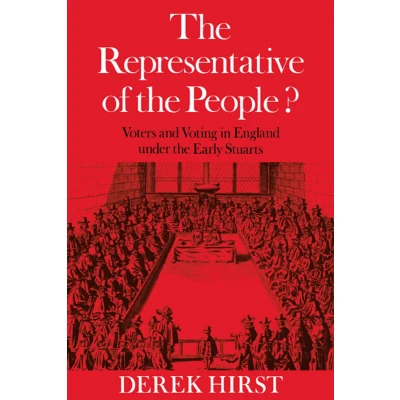
Contested elections became a fact of political life for the first time in early-17th-century England as the gentry pressed for seats in a parliament which was growing increasingly important. Dr Hirst examines politics from the point of view of the ordinary man before the Civil War. He asks what an election and being represented meant: what kind of person voted; how did he vote and why; and what might he gain by it. England was not yet shaped in the oligarchic mould that characterised it in the 18th century, and a striking feature of this period was the extent to which parliamentary politics was open to a large social group. Inflation and peasant survival on the land, and resistance to oligarchy in the boroughs (supported by the parliamentary gentry seeking popular allies for their own political battles), produced a broad rural and urban electorate. The need for votes also ensured that members were relatively responsive to, and representative of, pressures from below. In arriving at this verdict, Dr Hirst challenges the notion that politics in this period displayed a strong sense of direction. At all levels, whether in the means of control employed by the magnates, in electoral procedure, or in voting behaviour, uncertainty was manifest, for contests were unprecedented.
 Prijshistorie
 * Prijshistorie bevat geen data van Amazon, Amazon Marketplace.
Prijzen voor het laatst bijgewerkt op:
 Gerelateerde resultaten
 Productspecificaties


