


€ 29,99 Gratis verzending

Uitgelicht
|
|
29,99 |
Naar shop
|

|
44,42 |
Naar shop
|
| VERGELIJK ALLE AANBIEDERS (2) | ||
 Beschrijving
Vergelijk aanbieders (2)
€ 29,99 Gratis verzending
€ 44,42 Gratis verzending
Winkels met andere maten
Beschrijving
(1)
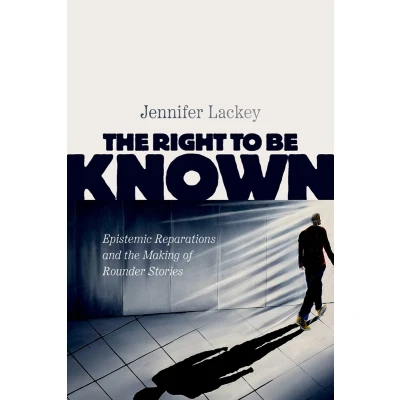
Stories shape not only how we understand the world-but also how we live in it. The way a narrative sketches the contours of a person's character or presents the unfolding of events can have monumental consequences for those it represents. Yet across historical periods and global spaces, entire peoples, cultures, and communities, as well as the individuals within them, have been robbed of their stories through erasure, vilification, and distortion. At the heart of this book lies the question: if people are unknown in deep and unjust ways because their stories have been stolen, don't they have the right to be known? Drawing on a framework from the United Nations Commission on Human Rights-which affirms the “right to know” for victims of gross violations or injustices-this book makes a novel and urgent case for its counterpart: the right to be known. Both rights, it is argued, can be understood within a framework of epistemic reparations. The ultimate goal is to illuminate not only the normative demands these reparations generate, but also some of the concrete steps that can be taken to fulfill them, so that each of us might get to work right now in the process of addressing the epistemic wrongs faced by those relegated to the margins of the unknown.
 Prijshistorie
 * Prijshistorie bevat geen data van Amazon.
Prijzen voor het laatst bijgewerkt op:
 Gerelateerde resultaten
 Productspecificaties


