


€ 53,99 Gratis verzending

Uitgelicht
|
|
53,99 |
Naar shop
|

|
54,94 |
Naar shop
|

|
54,94 |
Naar shop
|
| VERGELIJK ALLE AANBIEDERS (3) | ||
 Beschrijving
Vergelijk aanbieders (3)
€ 53,99 Gratis verzending
€ 54,94 Gratis verzending
€ 54,94 Gratis verzending
Winkels met andere maten
Beschrijving
(1)
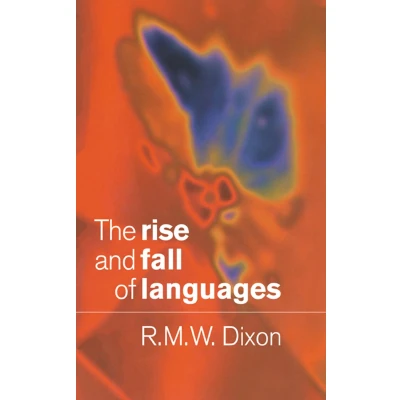
Professor Dixon challenges views held by linguists, archaeologists and geneticists about the origins and development of human language, notably those concerning the usefulness of the 'family tree' model of language relationships and the recent speculation concerning the reconstruction of a 'proto-language'. This book puts forward a different approach to language change, the punctuated equilibrium model. This is based on the premise that during most of the 100,000 or more years that humans have had language, states of equilibrium have existed during which linguistic features diffused across the languages in a given area so that they gradually converged on a common prototype. From time to time, the state of equilibrium would be punctuated, with expansion and split of peoples and of languages, most recently, as a result of European colonisation and the globalisation of communication which are likely to result in the extinction, within the next hundred years, of 90% of the languages currently spoken. Professor Dixon suggests that every linguist should assume a responsibility for documenting some of these languages before they disappear.
 Prijshistorie
 * Prijshistorie bevat geen data van Amazon, Amazon Marketplace.
Prijzen voor het laatst bijgewerkt op:
 Gerelateerde resultaten
 Productspecificaties


