

€ 14,97 Gratis verzending

Gesponsorde links
|
|
14,97 |
Naar shop
|

|
14,97 |
Naar shop
|

|
16,00 |
Naar shop
|
| VERGELIJK ALLE AANBIEDERS (3) | ||
 Beschrijving
Vergelijk aanbieders (3)
Gesponsorde links · Sommige shops betalen ons een vergoeding
€ 14,97 Gratis verzending
€ 14,97 Gratis verzending
€ 16,00 € 2,99 verzendkosten Totaal € 18,99
Winkels met andere maten
Beschrijving
(1)
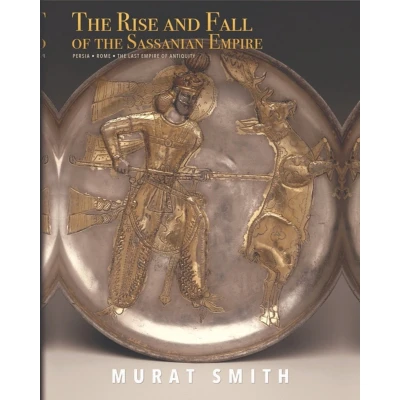
In 224 CE Ardashir defeated the last Parthian king and founded a Persian dynasty that would rival Rome for more than four hundred years. Sassanian rulers governed Iran, Iraq and changing frontier regions through royal households, noble families, cities, armies and religious institutions. Their silver coins and monumental rock reliefs proclaimed a divinely favoured King of Kings, but their empire was more diverse and negotiated than its imagery suggests. The Rise and Fall of the Sassanian Empire follows Ardashir, Shapur I, Shapur II, Yazdegerd I, Kavadh, Khosrow I and Khosrow II through wars, reforms, succession crises and diplomacy. It explores Zoroastrianism, Christianity, Judaism and Manichaeism; Ctesiphon and regional cities; taxation and land; cavalry and siegecraft; trade across Central Asia and the Indian Ocean; art, law and learning; and the lives of communities beneath the court. The final part explains how victory over Rome became exhaustion, how Heraclius reversed Khosrow II's conquests, and why civil war left the empire vulnerable to Arab-Muslim armies. It also traces Sassanian institutions and memory far beyond 651.
 Prijshistorie
* Prijshistorie bevat geen data van Amazon, Amazon Marketplace.
Prijzen voor het laatst bijgewerkt op:
 Gerelateerde resultaten
 Productspecificaties


