


€ 29,99 Gratis verzending

Uitgelicht
|
|
29,99 |
Naar shop
|

|
32,84 |
Naar shop
|

|
32,84 |
Naar shop
|
| VERGELIJK ALLE AANBIEDERS (3) | ||
 Beschrijving
Vergelijk aanbieders (3)
€ 29,99 Gratis verzending
€ 32,84 Gratis verzending
€ 32,84 Gratis verzending
Winkels met andere maten
Beschrijving
(1)
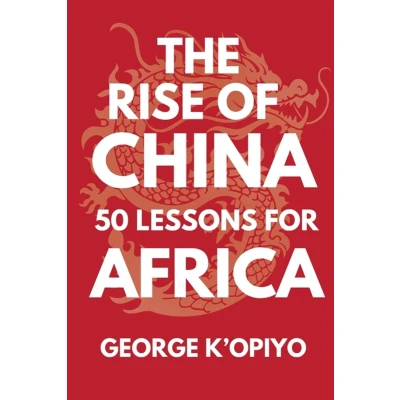
In 1980, Shenzhen was a fishing town of thirty thousand people. Four decades later, it is a city of seventeen million and one of the most consequential manufacturing and technology centers on Earth.China's transformation, from among the poorest nations on the planet to its second largest economy, did not happen by accident, and it did not happen quickly. It happened through more than four decades of specific, sequenced, evidence based decisions, many of which failed before they worked.This book is not an argument that Africa should become China. It is the opposite: a careful, factually grounded examination of the actual mechanisms, industrial policy, infrastructure sequencing, governance design, diplomatic strategy, that produced China's rise, tested case by case against what could genuinely transfer to African circumstances and what could not.Fifty lessons, each built the same way: a specific historical case, the underlying mechanism it reveals, and a deliberately researched African application, drawn from Kenya, Nigeria, Rwanda, Ethiopia, Ghana, and dozens of other national experiences across the continent.
 Prijshistorie
 * Prijshistorie bevat geen data van Amazon, Amazon Marketplace.
Prijzen voor het laatst bijgewerkt op:
 Gerelateerde resultaten
 Productspecificaties


