


€ 109,00 Gratis verzending

Uitgelicht
|
|
109,00 |
Naar shop
|
| VERGELIJK ALLE AANBIEDERS (1) | ||
 Beschrijving
Vergelijk aanbieders (1)
€ 109,00 Gratis verzending
Winkels met andere maten
Beschrijving
(1)
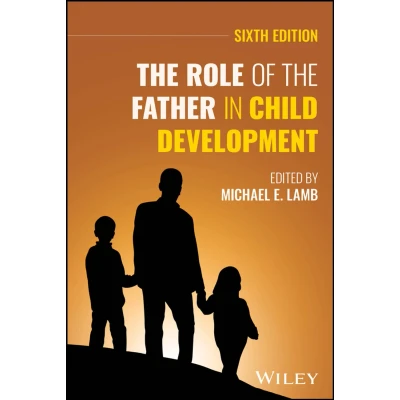
The authoritative reference on fatherhood with up-to-date coverage of evolutionary, physiological, and psychological perspectives Since its initial publication in 1976, The Role of the Father in Child Development has served as the field’s primary reference on paternal involvement and its developmental consequences. Now in its Sixth Edition, this volume comprises entirely new chapters commissioned from leading scholars, reflecting substantial growth in fatherhood research since the Fifth Edition appeared in 2010. Each chapter synthesizes recent scholarship rather than revising earlier material. This edition integrates perspectives from evolutionary biology, physiology, psychology, and sociology to provide a rounded understanding of contemporary fatherhood around the world. Contributors include researchers whose work on evolutionary and neurological bases of paternal behavior has reshaped the field, presenting their findings in chapters written specifically for this anthology. The cross-disciplinary scope and international reach offer a uniquely broad yet substantively deep treatment of the topic. Written for researchers, professors, and advanced students in developmental psychology, family social science, social work, and criminology, this volume also serves legal practitioners in family and criminal law, custody evaluators, therapists, and policy makers working with families and children. Academic and institutional libraries will find it an essential reference resource. Comprehensive scholarship on fatherhood from evolutionary, physiological, and psychological perspectives Now in its Sixth Edition, The Role of the Father in Child Development remains the authoritative reference on paternal influences across cultures and contexts. Edited by Michael E. Lamb, whose research has shaped family law and policy internationally, this volume synthesizes recent scholarship from evolutionary biology, physiology, psychology, and sociology to provide a rounded understanding of contemporary fatherhood worldwide. This edition presents up-to-date summaries of fatherhood research, including a chapter from leading psychologist James Rilling, whose specialized work on evolutionary and neurological bases of paternal behavior reaches a broader audience here. The volume examines father-child relationships across diverse family structures, including post-divorce arrangements, foster care, adoption, and LGBTQ+ parenting contexts. The book also covers: Cross-cultural perspectives on father involvement and paternal roles across diverse societies and family structures around the world Evolutionary and physiological foundations of fathering behavior drawn from current biological anthropology and neuroscience research findings Research-based guidance for legal practitioners working on custody evaluations, divorce proceedings, and family court matters Evidence informing policy decisions on fostering, adoption, and diverse family arrangements including same-sex and LGBTQ+ parenting Multidisciplinary frameworks integrating psychology, sociology, and family social science perspectives on contemporary paternal engagement Essential for scholars, researchers, and advanced students in developmental psychology and family studies, The Role of the Father in Child Development also serves practitioners in psychology, social work, and criminology. Legal professionals handling family and custody matters, custody evaluators, and policy makers will find authoritative evidence to inform their work with fathers and families.
 Productspecificaties
| EAN |
|
|---|---|
| Maat |
|
 Prijshistorie
 Prijzen voor het laatst bijgewerkt op:
 Gerelateerde resultaten


