

€ 20,27 Gratis verzending

Gesponsorde links
|
|
20,27 |
Naar shop
|

|
20,27 |
Naar shop
|

|
22,00 |
Naar shop
|
| VERGELIJK ALLE AANBIEDERS (3) | ||
 Beschrijving
Vergelijk aanbieders (3)
Gesponsorde links · Sommige shops betalen ons een vergoeding
€ 20,27 Gratis verzending
€ 20,27 Gratis verzending
€ 22,00 € 2,99 verzendkosten Totaal € 24,99
Winkels met andere maten
Beschrijving
(1)
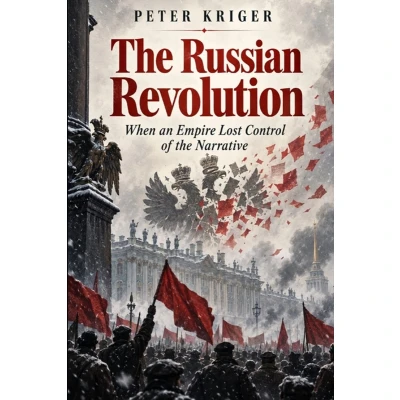
In 1916 the Russian government knew exactly what was coming. Its police read the mail of soldiers, ministers, bishops, and grand dukes, and the summaries said the same thing every month: the country blames you, and it has stopped listening. The reports were accurate. They were filed. Six months later the largest empire on earth fell apart in a week, and not one political party in it claimed to have organized the collapse. This book argues that the Russian Empire lost power in the order in which power is actually lost: first the ability to explain itself, then everything else. It follows the machinery of official meaning from the censorship offices and the tsar's sacred image through the war that put fifteen million men into a system that read their letters, to the winter when rumor traveled faster than any government telegram. It shows why three words with no conditions attached defeated every well-reasoned program in Russia, and why the men who took the capital in October went for the telegraph office, the telephone exchange, and the printing presses while the Winter Palace waited its turn. It also refuses both of the comfortable stories about foreign hands. Outside money was real, abundant, and documented: Japanese subsidies in 1905, German funds routed through a millionaire socialist, allied ambassadors shopping for a more useful Russian cabinet, and a police department that put its own paid agent at the head of the Bolshevik faction in parliament. Sponsorship of revolutions is not a theory. It is a certainty, and it is universal. What it does not do is decide the outcome, as every sponsor in this story discovered, usually too late and always at their own expense. A history of how meaning collapses before institutions do, told through the people who tried to control it and the kettle they used to steam open the mail. Keywords: Russian Revolution; 1917; propaganda; censorship; information warfare; foreign intervention; regime collapse
 Prijshistorie
* Prijshistorie bevat geen data van Amazon, Amazon Marketplace.
Prijzen voor het laatst bijgewerkt op:
 Gerelateerde resultaten
 Productspecificaties


