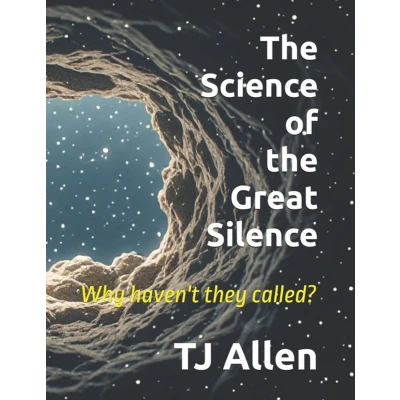


€ 21,08 Gratis verzending

Uitgelicht
|
|
21,08 |
Naar shop
|

|
21,08 |
Naar shop
|

|
23,00 |
Naar shop
|
| VERGELIJK ALLE AANBIEDERS (3) | ||
 Beschrijving
Vergelijk aanbieders (3)
€ 21,08 Gratis verzending
€ 21,08 Gratis verzending
€ 23,00 € 2,99 verzendkosten Totaal € 25,99
Winkels met andere maten
Beschrijving
(1)
Human beings have been looking at the night sky for as long as we have had eyes, imagination, and somebody willing to stay awake after dark. For most of history, the lights overhead were gods, ancestors, omens, holes in the roof of heaven, or extremely distant decorations installed by a celestial contractor who never returned to explain the wiring. Modern astronomy replaced those stories with something even stranger. The lights are suns. Many of those suns have planets. Some of those planets may have oceans, atmospheres, chemistry, weather, and perhaps organisms presently looking toward their own sky and wondering whether anything intelligent could possibly live around our rather ordinary yellow star.Once we learned how large and old the universe is, intelligent extraterrestrial life began to seem not merely possible but almost unavoidable. The Milky Way contains hundreds of billions of stars and has existed for more than thirteen billion years. Planets appear to be normal products of star formation rather than rare luxury accessories. If life begins on even a small fraction of suitable worlds, and intelligence develops on even a small fraction of those, the galaxy should have had plenty of opportunities to produce civilizations older than ours. Some could have arisen millions or billions of years before the first human being learned that banging two rocks together occasionally improves the evening.
 Prijshistorie
 * Prijshistorie bevat geen data van Amazon, Amazon Marketplace.
Prijzen voor het laatst bijgewerkt op:
 Gerelateerde resultaten
 Productspecificaties


