


€ 25,99 Gratis verzending

Uitgelicht
|
|
25,99 |
Naar shop
|

|
58,37 |
Naar shop
|

|
58,37 |
Naar shop
|
| VERGELIJK ALLE AANBIEDERS (3) | ||
 Beschrijving
Vergelijk aanbieders (3)
€ 25,99 Gratis verzending
€ 58,37 € 9,99 verzendkosten Totaal € 68,36
€ 58,37 € 9,99 verzendkosten Totaal € 68,36
Winkels met andere maten
Beschrijving
(1)
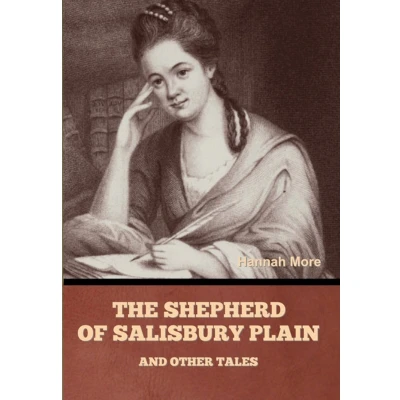
Hannah More's The Shepherd of Salisbury Plain, and Other Tales is a moral and religious work that reflects the values of late eighteenth-century England, particularly Christian faith, humility, and social responsibility. Through simple language and rural settings, More presents stories intended to instruct readers morally rather than merely entertain them. The title tale focuses on a poor shepherd whose life of hardship is contrasted with his strong faith and quiet integrity, emphasizing that true worth comes from virtue and devotion rather than wealth or social status.One of the central themes of the work is the redemptive power of faith and patience in suffering. The shepherd endures poverty, illness, and loss, yet he remains grateful and trusting in God's will. More uses his character to show that spiritual richness outweighs material comfort, a message aimed especially at working-class readers. By portraying suffering as meaningful rather than pointless, More encourages readers to accept hardship with humility and to find moral strength through religion.Additionally, The Shepherd of Salisbury Plain, and Other Tales serves as a form of social criticism. More subtly challenges the neglect of the poor by reminding wealthier readers of their moral duty to act with compassion and charity. Her stories promote kindness, moral discipline, and social harmony, reinforcing the belief that a stable society depends on shared ethical values. Overall, the work illustrates More's commitment to using literature as a tool for moral education and social improvement.
 Prijshistorie
 * Prijshistorie bevat geen data van Amazon, Amazon Marketplace.
Prijzen voor het laatst bijgewerkt op:
 Gerelateerde resultaten
 Productspecificaties


