


€ 12,50 € 2,99 verzendkosten Totaal € 15,49

Uitgelicht
|
|
12,50 |
Naar shop
|

|
12,83 |
Naar shop
|

|
12,83 |
Naar shop
|
| VERGELIJK ALLE AANBIEDERS (3) | ||
 Beschrijving
Vergelijk aanbieders (3)
€ 12,50 € 2,99 verzendkosten Totaal € 15,49
€ 12,83 Gratis verzending
€ 12,83 Gratis verzending
Winkels met andere maten
Beschrijving
(1)
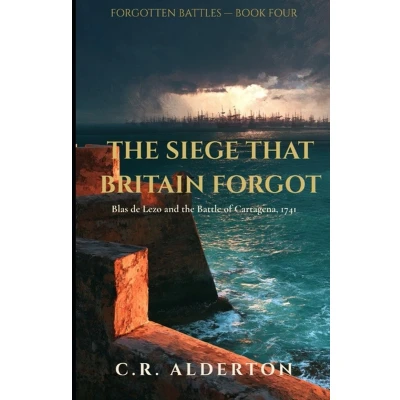
In March 1741, Britain sent the largest fleet ever assembled against a single city.One hundred and eighty ships. Close to thirty thousand men. Their target was Cartagena de Indias, the fortified Spanish port on the Caribbean coast of what is now Colombia, and taking it was meant to be the first step in dismantling the Spanish empire in the Americas.Ten weeks later the fleet left, having achieved nothing. Somewhere between nine and eleven thousand men were dead, most of them killed not by Spanish guns but by fever, in flooded camps and in the hammock tiers of transports anchored in a hot bay.The man who stopped them was a Spanish admiral named Blas de Lezo. He had lost his left leg at fifteen, the sight of his left eye at eighteen, and the use of his right arm in his middle twenties. He held Cartagena with three thousand men, a bay with one usable entrance, and four years of arguing with a colonial treasury about masonry. He was wounded in the first week of the siege and died of it five months later, stripped of his command and ordered home in disgrace by the country he had just saved. Nobody knows where he is buried.Britain did not hide the defeat. It argued about it furiously for five years, brought down a government over it, and then forgot it so thoroughly that almost nothing survives.A word for watered rum. A street in west London. And the name a young Virginian gave his estate on the Potomac, in honour of the admiral he had served under, which his younger brother George Washington would keep.A drink, a street, and a house. The Siege That Britain Forgot is the story of what they were built on.Book Four in the Forgotten Battles series.Perfect for readers of Sam Willis, Nathaniel Philbrick, and Roger Crowley.
 Prijshistorie
 * Prijshistorie bevat geen data van Amazon, Amazon Marketplace.
Prijzen voor het laatst bijgewerkt op:
 Gerelateerde resultaten
 Productspecificaties


