


€ 15,00 € 2,99 verzendkosten Totaal € 17,99

Gesponsorde links
|
|
15,00 |
Naar shop
|

|
15,65 |
Naar shop
|

|
15,65 |
Naar shop
|
| VERGELIJK ALLE AANBIEDERS (3) | ||
 Beschrijving
Vergelijk aanbieders (3)
Gesponsorde links · Sommige shops betalen ons een vergoeding
€ 15,00 € 2,99 verzendkosten Totaal € 17,99
€ 15,65 Gratis verzending
€ 15,65 Gratis verzending
Winkels met andere maten
Beschrijving
(1)
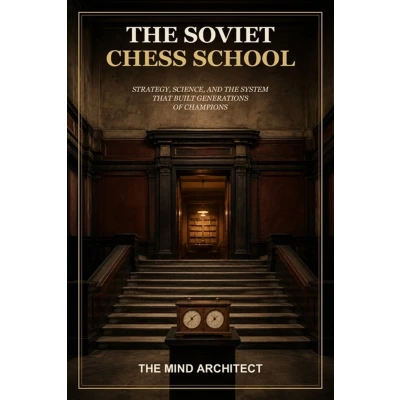
They did not build one champion. They built a method.For much of the twentieth century, Soviet chess produced an extraordinary succession of world champions. Behind them stood something larger than talent: a connected system of clubs, coaches, publications, classifications, analytical groups, and demanding competition.The Soviet Chess School explains how that system worked, why it produced radically different champions, and which parts of its method still shape modern chess.Inside you will discover: - how pre-revolutionary Russian chess became a public Soviet institution- how clubs, schools, workplaces, and youth organizations widened access- how coaches turned game evidence into an individual training program- what Botvinnik's scientific method actually meant in practice- how self-analysis, opening laboratories, publications, and match teams preserved knowledge- why strong internal competition became the system's most demanding teacher- how state support created opportunity while also exercising political control- why Smyslov, Tal, Petrosian, Spassky, Karpov, and Kasparov emerged with such different styles- how women's chess, regional centers, and individual coaches expanded the institution beyond its most famous champions- how Soviet training practices survived after 1991 and entered global chessEight exact historical positions connect the institutional story to concrete decisions, with original explanations of preparation, coordination, restriction, initiative, and individual style.Study the system. Question the system. Keep the method.
 Prijshistorie
* Prijshistorie bevat geen data van Amazon, Amazon Marketplace.
Prijzen voor het laatst bijgewerkt op:
 Gerelateerde resultaten
 Productspecificaties


