

€ 15,96 Gratis verzending

Gesponsorde links
|
|
15,96 |
Naar shop
|

|
16,00 |
Naar shop
|
| VERGELIJK ALLE AANBIEDERS (2) | ||
 Beschrijving
Vergelijk aanbieders (2)
Gesponsorde links · Sommige shops betalen ons een vergoeding
€ 15,96 Gratis verzending
€ 16,00 € 2,99 verzendkosten Totaal € 18,99
Winkels met andere maten
Beschrijving
(1)
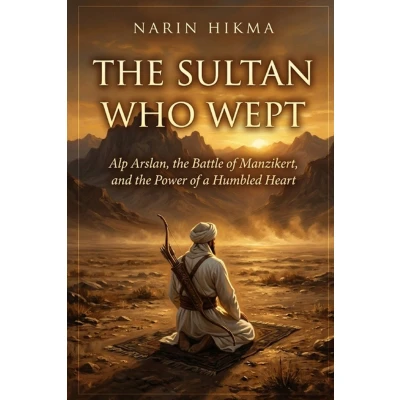
In November 1072, the finest archer of his age raised his hand to stop his guards, took up his bow, and missed.Fifteen months earlier, on a plain north of Lake Van, he had done the one thing no archer does. He had put his bow down. Alp Arslan, sultan of the Seljuk Turks, had looked at the vast host of the Byzantine emperor Romanos Diogenes and understood that his own strength was not enough. He dressed in white, like a man dressed for his grave. He told his soldiers there was no sultan among them that day. By nightfall the emperor of the Romans was a prisoner in his tent.What he did next is still told nine centuries later. He asked his captive one question: what would you have done, if I had been brought before you? The emperor answered honestly. The sultan set him free.This is the story of a boy from the steppe who was passed over and told to be content with less, and who rose to rule from the Oxus to the borders of Syria. Of the vizier who built his empire and lived in fear of him. Of the cousin he defeated and wept for. Of an honest enemy destroyed by his own people. And of a hill above a great river, where a man who had once known how to kneel looked down at his armies and forgot.The Sultan Who Wept is a narrative retelling of a real life, drawn from the Muslim and Byzantine chronicles, with the scenes between the records imagined in the tradition of narrative history.He knew the truth at fifteen. He lived it for one morning. On the night he was struck down, he said it out loud.
 Prijshistorie
* Prijshistorie bevat geen data van Amazon.
Prijzen voor het laatst bijgewerkt op:
 Gerelateerde resultaten
 Productspecificaties


