

€ 14,10 Gratis verzending

Gesponsorde links
|
|
14,10 |
Naar shop
|

|
15,00 |
Naar shop
|
| VERGELIJK ALLE AANBIEDERS (2) | ||
 Beschrijving
Vergelijk aanbieders (2)
Gesponsorde links · Sommige shops betalen ons een vergoeding
€ 14,10 Gratis verzending
€ 15,00 € 2,99 verzendkosten Totaal € 17,99
Winkels met andere maten
Beschrijving
(1)
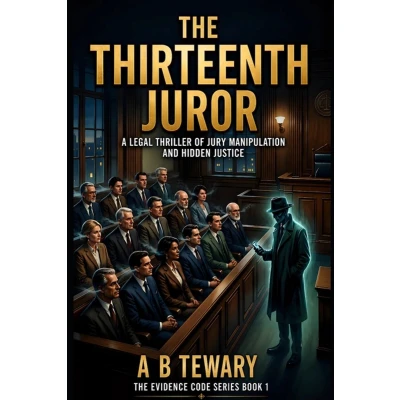
Twelve jurors entered the deliberation room. Nine remember someone else. The court records insist no such person existed. When an appellate lawyer uncovers impossible testimony buried inside a murder conviction, he must decide whether memory has failed-or justice has.Adrian Cross has built his career on facts, procedure, and constitutional law. He doesn't chase conspiracy theories. He dismantles convictions one legal argument at a time. Then the Noah Mercer case lands on his desk. A respected cancer researcher has been convicted of murdering the pharmaceutical executive who funded his life's work. The prosecution's motive doesn't add up, yet the verdict stands. During routine post-trial interviews, jurors begin describing the same impossible detail: an unseen influence inside the jury room that no official record acknowledges.The deeper Adrian investigates, the more his carefully ordered life begins to fracture. His practice, his reputation, and his relationship with his teenage daughter are pulled into a legal battle with no established precedent. Every document confirms twelve jurors. Every witness points toward a thirteenth presence. If Adrian is wrong, he will destroy the career he spent decades building. If he is right, the justice system may be hiding a vulnerability no court is prepared to confront.As more jurors come forward, anonymous messages arrive from someone who knows far more than they should. A prosecutor determined to defend the conviction, a cognitive psychologist studying hidden influence, and whispers of a private jury consulting firm draw Adrian toward a network that may have shaped verdicts across the country for years. To expose it, he must argue for a constitutional principle no appellate court has ever recognized while deciding whom he can trust-and how much truth the legal system is willing to survive.The Thirteenth Juror explores the uneasy space where courtroom procedure meets psychological manipulation. The story follows appellate litigation, hidden motives, conflicting memories, and layered investigations in which every answer creates a larger question. As legal strategy collides with human memory, every hearing carries consequences beyond a single conviction, and every revelation forces impossible moral choices.Some verdicts are reached by evidence. Others are reached by influence so subtle that no one remembers how the decision was made.If the official record is flawless, but the people who lived through it remember something impossible, which version of justice deserves to be believed?
 Prijshistorie
* Prijshistorie bevat geen data van Amazon.
Prijzen voor het laatst bijgewerkt op:
 Gerelateerde resultaten
 Productspecificaties


