

€ 109,27 Gratis verzending

Uitgelicht
|
|
109,27 |
Naar shop
|

|
130,00 |
Naar shop
|
| VERGELIJK ALLE AANBIEDERS (2) | ||
 Beschrijving
Vergelijk aanbieders (2)
€ 109,27 Gratis verzending
€ 130,00 Gratis verzending
Winkels met andere maten
Beschrijving
(1)
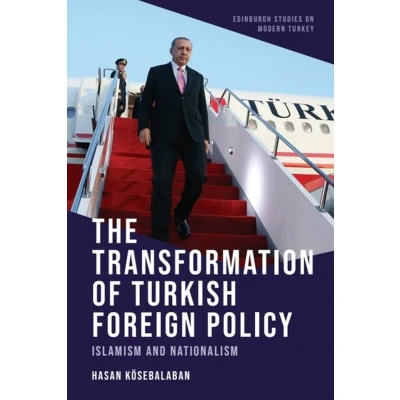
This book examines the evolution of Turkish foreign policy under the Justice and Development Party (JDP). It traces the shift from the early liberal era (2002–16), which was characterised by EU integration efforts, economic globalisation and regional engagement, to a nationalist, security-driven approach. Particular focus is given to the consolidation of authoritarian rule and Turkey’s transition to a presidential system in 2018. Initially, the Arab Spring positioned Turkey as a model for political Islam, but regional upheavals, the 2013 Gezi Park protests and the 2016 coup attempt accelerated a turn toward authoritarianism and securitisation. The study explores how the JDP leadership moved from democratic pluralism to nationalist and authoritarian consolidation, reshaping Turkey’s diplomatic and geopolitical posture. Hasan Kösebalaban argues that domestic political struggles have shaped Turkish foreign policy as much as external pressures. Through a multidisciplinary lens, this book provides a nuanced understanding of Turkey’s geopolitical trajectory and its broader implications for international relations. Kösebalaban implements a new framework to examine the divisions within both secularism and Islamism, and explores how foreign policy choices both shape and are shaped by these internal divisions.
 Prijshistorie
 * Prijshistorie bevat geen data van Amazon.
Prijzen voor het laatst bijgewerkt op:
 Gerelateerde resultaten
 Productspecificaties


