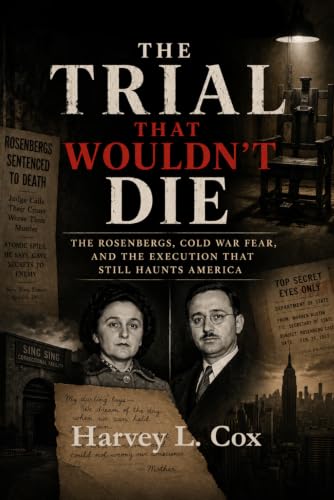
In 1953, Julius and Ethel Rosenberg were executed in the electric chair at Sing Sing Prison, convicted of conspiracy to commit espionage at the height of the Cold War. To some Americans, they were traitors who helped the Soviet Union steal atomic secrets. To others, they were victims of fear, politics, and a justice system desperate to prove it could defeat an enemy within. But the Rosenberg case did not end with the executions. Decades later, declassified records, Venona decrypts, grand jury testimony, and late-life admissions complicated the story America thought it knew. Julius Rosenberg's involvement in Soviet espionage became harder to deny. Ethel Rosenberg's role became harder to justify as a capital case. The testimony that helped send her to the electric chair shifted under the weight of memory, pressure, and self-protection. The Trial That Wouldn't Die is a gripping narrative of espionage, family betrayal, Cold War panic, courtroom strategy, and irreversible punishment. It follows Julius, Ethel, David Greenglass, Roy Cohn, Judge Irving Kaufman, and the machinery of American justice as a frightened nation searched for certainty in an age of atomic dread. This is not a simple story of innocence or guilt. It is the story of what happens when real danger and public fear enter the courtroom together...and when a verdict refuses to stay buried.
AmazonPagina's: 117, Paperback, Independently published
Prijshistorie
* Prijshistorie bevat geen data van Amazon, Amazon Marketplace.
Prijzen voor het laatst bijgewerkt op: