

€ 13,81 Gratis verzending

Gesponsorde links
|
|
13,81 |
Naar shop
|

|
13,81 |
Naar shop
|

|
15,00 |
Naar shop
|
| VERGELIJK ALLE AANBIEDERS (3) | ||
 Beschrijving
Vergelijk aanbieders (3)
Gesponsorde links · Sommige shops betalen ons een vergoeding
€ 13,81 Gratis verzending
€ 13,81 Gratis verzending
€ 15,00 € 2,99 verzendkosten Totaal € 17,99
Winkels met andere maten
Beschrijving
(1)
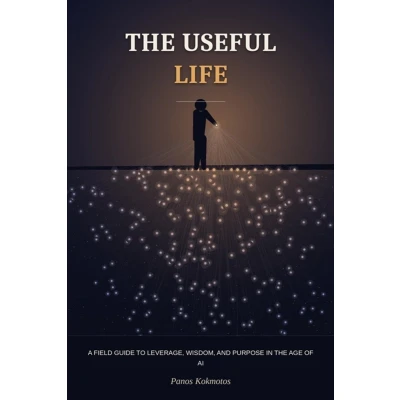
Effort is not the same thing as output.The Useful Life argues that usefulness, not happiness or success, is the right frame for a working life. Happiness cannot be pursued directly. Success is borrowed from someone else's scoreboard. Usefulness is neither: you can ask, right now, what the most useful thing you can do is, and get a real answer.Drawing on Karl Popper, David Deutsch, Nassim Taleb, and Naval Ravikant, alongside three years spent building the nonprofit marketplace Givelink, this field guide moves through four scales. It starts with personal leverage: the four forms of leverage available to anyone, and how to build judgment before you scale one. It moves to antifragile judgment under uncertainty, drawing on Taleb's asymmetric bets and Popper's falsifiability. It covers what AI can and cannot compound, arguing that taste and judgment stay scarce even as AI makes execution cheap. It ends with usefulness that points outward, at problems chosen honestly rather than performatively, drawing on the effective altruism movement's tools for cause prioritization.Seventeen chapters. Eight original diagrams. A closing toolkit of practices you can run this week, not someday.
 Prijshistorie
* Prijshistorie bevat geen data van Amazon, Amazon Marketplace.
Prijzen voor het laatst bijgewerkt op:
 Gerelateerde resultaten
 Productspecificaties


