

€ 11,01 Gratis verzending

Uitgelicht
|
|
11,01 |
Naar shop
|

|
11,01 |
Naar shop
|

|
11,50 |
Naar shop
|
| VERGELIJK ALLE AANBIEDERS (3) | ||
 Beschrijving
Vergelijk aanbieders (3)
€ 11,01 Gratis verzending
€ 11,01 Gratis verzending
€ 11,50 € 2,99 verzendkosten Totaal € 14,49
Winkels met andere maten
Beschrijving
(1)
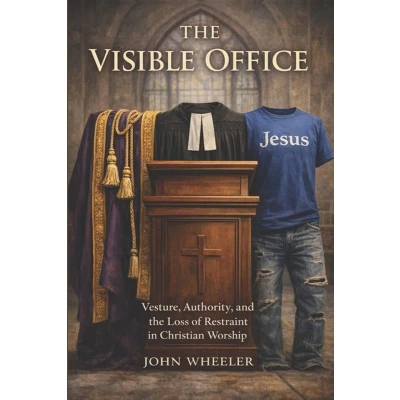
The question of ministerial vestments is not about tradition. It is about theology. What a minister wears in the pulpit is often treated as a matter of preference-formal or casual, traditional or contemporary. But clothing is never neutral. It communicates authority, identity, and intention, whether acknowledged or not. The Visible Office examines vestments not as relics of the past, but as a deliberate and necessary response to a cultural reality that has returned with greater force. In a world where clothing has become a primary means of self-expression, the absence of vestments does not remove symbolism-it replaces it with the language of the culture. This book traces the historical moment when vestments first became appropriate and shows why those same conditions now define the modern church. It argues that vestments were never about elevating the man, but about restraining him-protecting worship from personality, performance, and cultural intrusion. More than historical defense, this work presents a theological case for the distinction between the man and the office he holds. Vestments make visible what the New Testament assumes: that the minister serves representationally, not personally, and that worship is not a platform for self-expression but a setting governed by the presence of God. This is not an argument for nostalgia. It is an argument for discipline.
 Prijshistorie
 * Prijshistorie bevat geen data van Amazon, Amazon Marketplace.
Prijzen voor het laatst bijgewerkt op:
 Gerelateerde resultaten
 Productspecificaties


