

€ 79,50 Gratis verzending

Gesponsorde links
|
|
79,50 |
Naar shop
|

|
81,99 |
Naar shop
|
| VERGELIJK ALLE AANBIEDERS (2) | ||
 Beschrijving
Vergelijk aanbieders (2)
Gesponsorde links · Sommige shops betalen ons een vergoeding
€ 79,50 Gratis verzending
€ 81,99 Gratis verzending
Winkels met andere maten
Beschrijving
(1)
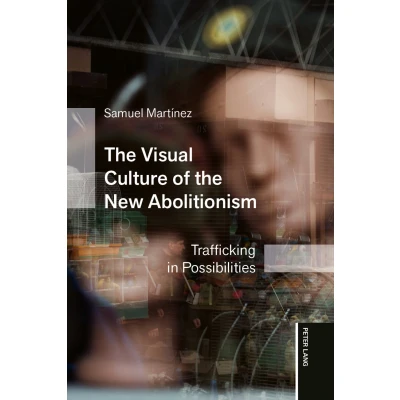
According to this first systematic media study of the visual culture of today’s antislavery, the “imagetexts” (amalgams of words and pictures) of nonprofit groups, documentary filmmakers, journalists, and academic experts exceed photography’s illustrative functions by provoking feelings, evoking hidden presences and promoting certainty and doubt. Enslavement and human trafficking are understood to be invisible or hard to detect, and the abundance of photos that appear in exposés and public appeals supporting the fight against trafficking and modern slavery claim neither to provide proof nor show verified survivors or sites of enslavement. What, then, are we looking at in these photos? This first ever systematic media study of today’s antitrafficking communication describes and analyzes “imagetexts,” amalgams of words and pictures through which antislavery and antitrafficking nonprofit groups, documentary filmmakers, journalists and academic experts exceed photography’s illustrative functions, through words and pictures that provoke feelings and evoke hidden presences, while also creating space for antitrafficking to be both of two opposing things: both declarative and subjunctive, informative and aesthetically alluring, certain and doubtable. “Martínez’ book creates a crucial link between two lively areas of recent scholarship, one examining the visual cultures of enslavement historically and the other critically analyzing antitrafficking activism today…Written accessibly, this book will enable dialogues among college students and teachers about how the visual can speak to a more just future.” Alexis Boylan, Professor of Art History and Africana Studies, University of Connecticut “At last, a serious visual analysis of anti-trafficking imagery…Martínez brings theoretical nuance and scholarly rigor to the visual culture of the contemporary anti-trafficking movement, offering essential insights for scholars of visual rhetoric, humanitarian communication, and abolition democracy. This is the book we’ve been waiting for.” Gretchen Soderlund, Associate Professor of Media History, University of Oregon
 Prijshistorie
* Prijshistorie bevat geen data van Amazon.
Prijzen voor het laatst bijgewerkt op:
 Gerelateerde resultaten
 Productspecificaties


