


gebruikt € 31,11 Gratis verzending

Uitgelicht
|
|
31,11 |
Naar shop
|

|
136,00 |
Naar shop
|
| VERGELIJK ALLE AANBIEDERS (2) | ||
 Beschrijving
Vergelijk aanbieders (2)
gebruikt € 31,11 Gratis verzending
€ 136,00 Gratis verzending
Winkels met andere maten
Beschrijving
(1)
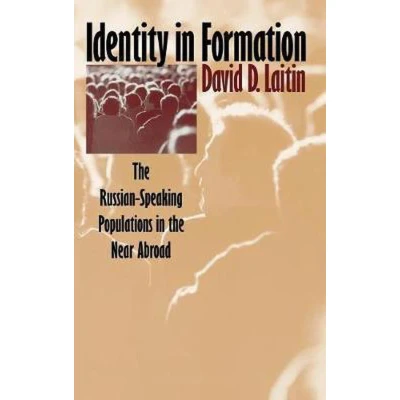
Since the collapse of the Soviet Union, nationality groups have claimed sovereignty in the new republics bearing their names. With the ascendance of these nationalities, Russian speakers living in the post-Soviet republics face a radical crisis of identity. That crisis is at the heart of David D. Laitin's book. Since the collapse of the Soviet Union, nationality groups have claimed sovereignty in the new republics bearing their names. With the ascendance of these titular nationality groups, Russian speakers living in the post-Soviet republics face a radical crisis of identity. That crisis is at the heart of David D. Laitin's keenly awaited book. Laitin portrays these Russian speakers as a "beached diaspora" since the populations did not cross international borders; the borders themselves receded. He asks what will become of these populations. Will they learn the languages of the republics in which they live and prepare their children for assimilation? Will they return to a homeland many have never seen? Or will they become loyal citizens of the new republics while maintaining a Russian identity? Through questions such as these and on the basis of ethnographic field research, discourse analysis, and mass surveys, Laitin analyzes trends in four post-Soviet republics: Estonia, Latvia, Kazakhstan, and Ukraine. Laitin concludes that the "Russian-speaking population" is a new category of identity in the post-Soviet world. This conglomerate identity of those who share a language is analogous, Laitin suggests, to such designations as "Palestinian" in the Middle East and "Hispanic" in the United States. The development of this new identity has implications both for the success of the national projects in these states and for interethnic peace.
 Productspecificaties
| EAN |
|
|---|---|
| Maat |
|
 Prijshistorie
Prijzen voor het laatst bijgewerkt op:
 Gerelateerde resultaten


