


€ 42,99 Gratis verzending

Gesponsorde links
|
|
42,99 |
Naar shop
|

|
46,01 |
Naar shop
|
| VERGELIJK ALLE AANBIEDERS (2) | ||
 Beschrijving
Vergelijk aanbieders (2)
Gesponsorde links · Sommige shops betalen ons een vergoeding
€ 42,99 Gratis verzending
€ 46,01 Gratis verzending
Winkels met andere maten
Beschrijving
(1)
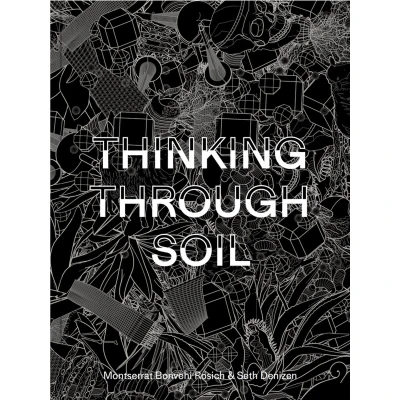
In addition to its agricultural role, soil has become the primary agent of carbon storage in climate models, and it is also crucial for biodiversity and flood control. Through a sustained analysis of the Mexico City–Mezquital wastewater agricultural system—the world’s largest— Thinking Through Soil argues for soil’s capacity to save our planet. Winner of the John Brinckerhoff (JB) Jackson Book PrizeTo think through soil is to engage with some of the most critical issues of our time. In addition to its agricultural role in feeding eight billion people, soil has become the primary agent of carbon storage in global climate models, and it is crucial for biodiversity, flood control, and freshwater resources. Perhaps no other material is asked to do so much for the human environment, and yet our basic conceptual model of what soil is and how it works remains surprisingly vague.In cities, soil occupies a blurry category whose boundaries are both empirically uncertain and politically contested. Soil functions as a nexus for environmental processes through which the planet’s most fundamental material transformations occur, but conjuring what it actually is serves as a useful exercise in reframing environmental thought, design thinking, and city and regional planning toward a healthier, more ethical, and more sustainable future.Through a sustained analysis of the world’s largest wastewater agricultural system, located in the Mexico City–Mezquital hydrological region, Thinking Through Soil imagines what a better environmental future might look like in central Mexico. More broadly, this case study offers a new image of soil that captures its shifting identity, explains its profound importance to rural and urban life, and argues for its capacity to save our planet.
 Prijshistorie
* Prijshistorie bevat geen data van Amazon.
Prijzen voor het laatst bijgewerkt op:
 Gerelateerde resultaten
 Productspecificaties


