


€ 59,99 Gratis verzending

Uitgelicht
|
|
59,99 |
Naar shop
|

|
63,99 |
Naar shop
|

|
63,99 |
Naar shop
|
| VERGELIJK ALLE AANBIEDERS (3) | ||
 Beschrijving
Vergelijk aanbieders (3)
€ 59,99 Gratis verzending
€ 63,99 Gratis verzending
€ 63,99 Gratis verzending
Winkels met andere maten
Beschrijving
(1)
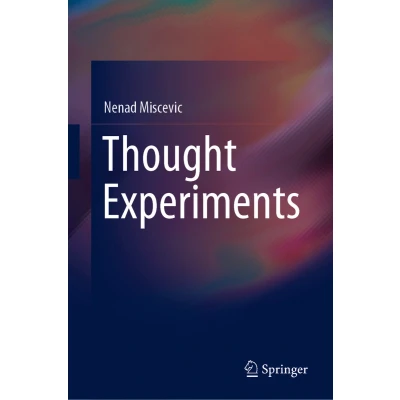
Finally, the book provides a way to systematize the history of important thought experiments in science and philosophy and thus connects, in an original way, the systematic investigation of experimenting to the historical work of famous thought experiments. This book offers a readable introduction to the main aspects of thought experimenting in philosophy and science (together with related imaginative activities in mathematics and linguistics). It presents the main options in understanding thought experiments, from empiricism to Platonism, and discusses their strengths and weaknesses. However, it also provides some original perspectives on the topic. Firstly, it provides a new definition and analysis of thought experimenting that brings it closer to laboratory experimenting. Secondly, it develops the author’s earlier theory of “mental modelling”, proposed some decades ago by him, and some other researchers in the field as the crucial procedure in thought experimenting. The mental modelling approach links work with thought experimenting to cognitive science and to research on mental simulation which is a hot topic in present-day research. Thirdly, it proposes a principled way to respond to criticism of thought experimentingby “experimental philosophers” as they have been dominating the present-day debates. The response suggests a possible ameliorative, self-help project for thought experimenting. Finally, the book provides a way to systematize the history of important thought experiments in science and philosophy and thus connects, in an original way, the systematic investigation of experimenting to the historical work of famous thought experiments. It is of interest to scholars interested in history of ideas and philosophy of science. This book offers a readable introduction to the main aspects of thought experimenting in philosophy and science (together with related imaginative activities in mathematics and linguistics). It presents the main options in understanding thought experiments, from empiricism to Platonism, and discusses their strengths and weaknesses. However, it also provides some original perspectives on the topic. Firstly, it provides a new definition and analysis of thought experimenting that brings it closer to laboratory experimenting. Secondly, it develops the author’s earlier theory of “mental modelling”, proposed some decades ago by him, and some other researchers in the field as the crucial procedure in thought experimenting. The mental modelling approach links work with thought experimenting to cognitive science and to research on mental simulation which is a hot topic in present-day research. Thirdly, it proposes a principled way to respond to criticism of thought experimentingby “experimental philosophers” as they have been dominating the present-day debates. The response suggests a possible ameliorative, self-help project for thought experimenting. Finally, the book provides a way to systematize the history of important thought experiments in science and philosophy and thus connects, in an original way, the systematic investigation of experimenting to the historical work of famous thought experiments. It is of interest to scholars interested in history of ideas and philosophy of science.
 Prijshistorie
 * Prijshistorie bevat geen data van Amazon, Amazon Marketplace.
Prijzen voor het laatst bijgewerkt op:
 Gerelateerde resultaten
 Productspecificaties


