


€ 14,00 € 2,99 verzendkosten Totaal € 16,99

Gesponsorde links
|
|
14,00 |
Naar shop
|

|
15,24 |
Naar shop
|

|
15,24 |
Naar shop
|
| VERGELIJK ALLE AANBIEDERS (3) | ||
 Beschrijving
Vergelijk aanbieders (3)
Gesponsorde links · Sommige shops betalen ons een vergoeding
€ 14,00 € 2,99 verzendkosten Totaal € 16,99
€ 15,24 Gratis verzending
€ 15,24 Gratis verzending
Winkels met andere maten
Beschrijving
(1)
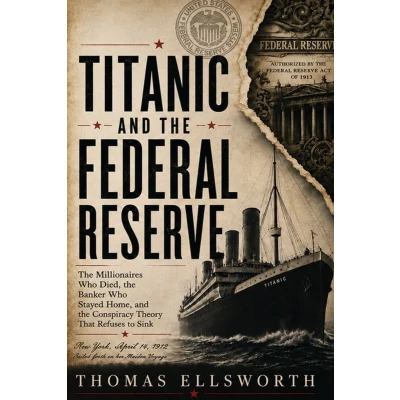
On April 15, 1912, RMS Titanic disappeared beneath the North Atlantic. Among the dead were some of the wealthiest men in America: John Jacob Astor IV, Benjamin Guggenheim, and Isidor Straus. One man who had expected to sail was not aboard. J. P. Morgan. Twenty months later, President Woodrow Wilson signed the Federal Reserve Act into law. For more than a century, those facts have fueled one of the most provocative financial conspiracy theories in American history: that powerful banking interests benefited from the deaths of wealthy men who might have stood in the way of a new central banking system. But how much of that story is actually true? Titanic and the Federal Reserve investigates the theory from the ground up. Thomas Ellsworth follows the trail from the Panic of 1907 and the secret Jekyll Island meeting of 1910 to Morgan's shipping empire, Titanic's passenger list, the men who died, the banker who stayed home, the official investigations into the sinking, and the political battle that ultimately produced the Federal Reserve System. Along the way, the book asks the uncomfortable questions: Were Astor, Guggenheim, and Straus really opponents of central banking? Why did J. P. Morgan cancel his Titanic passage? How closely was Morgan connected to the company that controlled White Star Line? Did the deaths of three enormously wealthy men actually change the path toward the Federal Reserve Act? And when did coincidence become conspiracy? Ellsworth does not ask readers to accept a predetermined verdict. Instead, he separates documented fact, reasonable inference, disputed interpretation, allegation, and unsupported claim, allowing the strongest arguments on both sides to face the historical record. The result is a provocative investigation into money, power, secrecy, influence, catastrophe, and one conspiracy theory that refuses to sink. If you thought the story of Titanic ended with an iceberg, this book asks you to look again.
 Prijshistorie
* Prijshistorie bevat geen data van Amazon, Amazon Marketplace.
Prijzen voor het laatst bijgewerkt op:
 Gerelateerde resultaten
 Productspecificaties


