


€ 32,99 Gratis verzending

Gesponsorde links
|
|
32,99 |
Naar shop
|

|
48,54 |
Naar shop
|
| VERGELIJK ALLE AANBIEDERS (2) | ||
 Beschrijving
Vergelijk aanbieders (2)
Gesponsorde links · Sommige shops betalen ons een vergoeding
€ 32,99 Gratis verzending
€ 48,54 € 6,50 verzendkosten Totaal € 55,04
Winkels met andere maten
Beschrijving
(1)
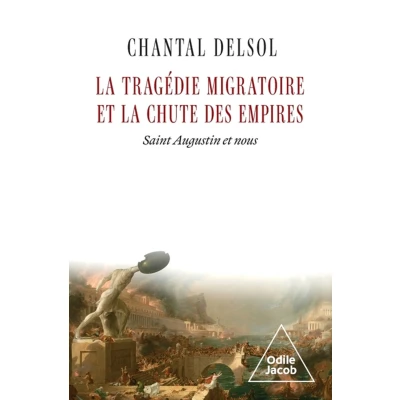
Augustine of Hippo, Saint Augustine to Christians, lived during a troubled period when the world around him was falling apart (5th century). After a tumultuous life, he died in his city, which was besieged by the Vandals. The analogy between his era and ours is striking. In both cases, a highly civilised, powerful and proud empire was invaded and ultimately dismantled by more primitive and less advanced cultures, known at the time as "barbarians". In both cases, the empire in question was responsible for serious failings, as power always leads to excess and violence. In both cases, the threatened empire displays a sense of guilt, Christian at the time, post-Christian today, towards the invaders, which a mysterious complex prevents it from effectively repelling. In both cases, the approaching end suggests a kind of apocalypse, and there are various kinds of these. Times are dark and uncertain. The spirit moves forward into this darkness. But hope is always new. Augustine, a turbulent young man, a tormented soul, a homesick person who hated travelling, feared only one thing for himself: leading a 'life filled with wind'. This is perhaps the meaning of life that is most missing in our time. The author of The City of God is an early thinker, a writer of promise. He has much to teach us, for we are latecomers.
 Prijshistorie
* Prijshistorie bevat geen data van Amazon.
Prijzen voor het laatst bijgewerkt op:
 Gerelateerde resultaten
 Productspecificaties


