








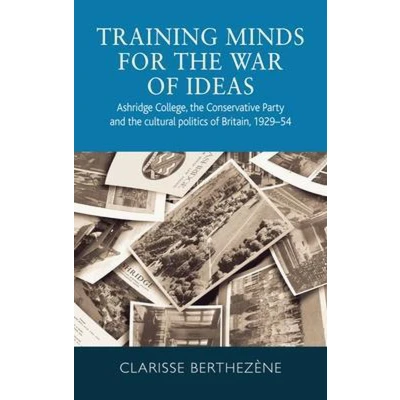
Training Minds for the War of Ideas
Uitgelicht

|
43,99
40,99 |
Naar shop
|
 Beschrijving
Bol
Examines attempts by the Conservative party in the interwar years to capture the ‘brains’ of the new electorate and create a counter-culture to what they saw as the intellectual hegemony of the Left. 'This is an important and immensely stimulating book. Indeed, Dr Berthezène bids fair to join that distinguished band of French historians, from Taine and Tocqueville through to Boutmy and Halévy, who for nearly two centuries have taught British readers and citizens many facts and insights about ourselves that we do not learn from our native commentators.'Professor Jose Harris, St Catherine's College, Oxford'Historians of interwar Britain and the Conservatives owe an immense debt to... Clarisse Berthezène. [She is] able to bring key aspects of the new political history to bear on both the foreign policy of appeasement and the interwar Conservative hegemony. Never again can historians look at appeasement without considering gender, nor can they contemplate the interwar Conservative Party as one lacking a substantive intellectual tradition.' Professor Matthew Hendley, SUNY Oneota'Berthezène's ground-breaking scholarship valuably manages to open up various new avenues for exploring the intellectual history of the Conservative Party.'Professor David Thackeray, University of Exeter'A fascinating account of Bonar Law Memorial College, Ashridge.'Professor Colin Kidd, St AndrewsTraining minds for the war of ideas examines attempts by the Conservative Party in the interwar years to capture the minds of the new electorate and create a counter-culture to what they saw as the intellectual hegemony of the Left. It makes an important contribution to the political culture of Conservatism from the late 1920s to the early 1950s with a particular emphasis on the social and intellectual history of the Conservative milieu. This book modifies our understanding of the history of the Conservative Party and popular Conservatism, but also more generally of the history of intellectual debate in Britain. It sheds new light on the history of the ‘middlebrow’ and how that category became a weapon for the Conservatives. This book examines attempts by the Conservative party in the interwar years to capture the ‘brains’ of the new electorate and create a counter-culture to what they saw as the intellectual hegemony of the Left. It tells the fascinating story of the Bonar Law Memorial College, Ashridge, founded in 1929 as a ‘College of citizenship’ to provide political education through both teaching and publications. The College aimed at creating ‘Conservative Fabians’ who were to publish and disseminate Conservative literature, which meant not only explicitly political works but literary, historical and cultural work that carried implicit Conservative messages. This book modifies our understanding of the history of the Conservative party and popular Conservatism, but also more generally of the history of intellectual debate in Britain. It sheds new light on the history of the ‘middlebrow’ and how that category became a weapon for the Conservatives.


Vergelijk aanbieders (1)

 Beschrijving
(1)
Beschrijving
(1)
Examines attempts by the Conservative party in the interwar years to capture the ‘brains’ of the new electorate and create a counter-culture to what they saw as the intellectual hegemony of the Left. 'This is an important and immensely stimulating book. Indeed, Dr Berthezène bids fair to join that distinguished band of French historians, from Taine and Tocqueville through to Boutmy and Halévy, who for nearly two centuries have taught British readers and citizens many facts and insights about ourselves that we do not learn from our native commentators.'Professor Jose Harris, St Catherine's College, Oxford'Historians of interwar Britain and the Conservatives owe an immense debt to... Clarisse Berthezène. [She is] able to bring key aspects of the new political history to bear on both the foreign policy of appeasement and the interwar Conservative hegemony. Never again can historians look at appeasement without considering gender, nor can they contemplate the interwar Conservative Party as one lacking a substantive intellectual tradition.' Professor Matthew Hendley, SUNY Oneota'Berthezène's ground-breaking scholarship valuably manages to open up various new avenues for exploring the intellectual history of the Conservative Party.'Professor David Thackeray, University of Exeter'A fascinating account of Bonar Law Memorial College, Ashridge.'Professor Colin Kidd, St AndrewsTraining minds for the war of ideas examines attempts by the Conservative Party in the interwar years to capture the minds of the new electorate and create a counter-culture to what they saw as the intellectual hegemony of the Left. It makes an important contribution to the political culture of Conservatism from the late 1920s to the early 1950s with a particular emphasis on the social and intellectual history of the Conservative milieu. This book modifies our understanding of the history of the Conservative Party and popular Conservatism, but also more generally of the history of intellectual debate in Britain. It sheds new light on the history of the ‘middlebrow’ and how that category became a weapon for the Conservatives. This book examines attempts by the Conservative party in the interwar years to capture the ‘brains’ of the new electorate and create a counter-culture to what they saw as the intellectual hegemony of the Left. It tells the fascinating story of the Bonar Law Memorial College, Ashridge, founded in 1929 as a ‘College of citizenship’ to provide political education through both teaching and publications. The College aimed at creating ‘Conservative Fabians’ who were to publish and disseminate Conservative literature, which meant not only explicitly political works but literary, historical and cultural work that carried implicit Conservative messages. This book modifies our understanding of the history of the Conservative party and popular Conservatism, but also more generally of the history of intellectual debate in Britain. It sheds new light on the history of the ‘middlebrow’ and how that category became a weapon for the Conservatives.
 Productspecificaties
| EAN |
|
|---|---|
| Maat |
|
 Prijshistorie
Prijzen voor het laatst bijgewerkt op:
 Gerelateerde resultaten


