


€ 68,99 Gratis verzending

Gesponsorde links
|
|
68,99 |
Naar shop
|

|
89,61 |
Naar shop
|

|
89,61 |
Naar shop
|
| VERGELIJK ALLE AANBIEDERS (3) | ||
 Beschrijving
Vergelijk aanbieders (3)
Gesponsorde links · Sommige shops betalen ons een vergoeding
€ 68,99 Gratis verzending
€ 89,61 € 6,31 verzendkosten Totaal € 95,92
€ 89,61 € 6,31 verzendkosten Totaal € 95,92
Winkels met andere maten
Beschrijving
(1)
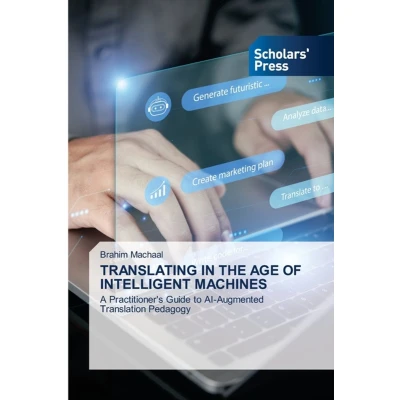
Neural machine translation systems have transformed what students do before they translate. Most now open an AI tool before they open a dictionary. Google Translate, ChatGPT, DeepL: these are the first-draft tools of a generation of translation students, used informally and without training in how to evaluate what they produce. The result is a systematic pedagogical problem: students graduate knowing how to translate but not knowing how to critically evaluate machine translation output, recognize its systematic failure modes, or make strategic decisions about when to trust, revise, or discard AI-generated drafts.This book proposes a complete response to that problem. The AI-Augmented Translation Pedagogy (AATP) model presented here is grounded in empirical evidence, informed by established pedagogical theory, and designed to be implementable in real classrooms without wholesale curriculum redesign. It is a book for practitioners, translation educators, course designers, and professional trainers, who want concrete, theoretically grounded tools rather than general exhortation about AI literacy.
 Prijshistorie
* Prijshistorie bevat geen data van Amazon, Amazon Marketplace.
Prijzen voor het laatst bijgewerkt op:
 Gerelateerde resultaten
 Productspecificaties


