


€ 21,00 € 2,99 verzendkosten Totaal € 23,99

Uitgelicht
|
|
21,00 |
Naar shop
|

|
22,41 |
Naar shop
|

|
22,41 |
Naar shop
|
| VERGELIJK ALLE AANBIEDERS (3) | ||
 Beschrijving
Vergelijk aanbieders (3)
€ 21,00 € 2,99 verzendkosten Totaal € 23,99
€ 22,41 Gratis verzending
€ 22,41 Gratis verzending
Winkels met andere maten
Beschrijving
(1)
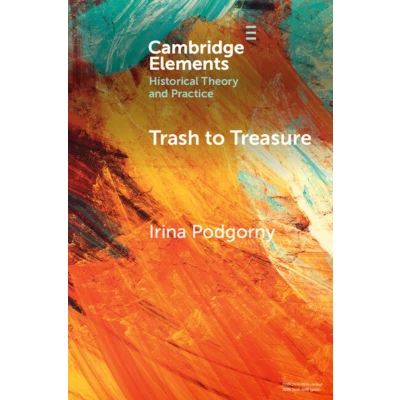
This Element explores how waste and food leftovers were transformed into evidence of the natural and human past, valuable collector's items, and museum specimens. In the nineteenth century, rubbish pits became repositories of new sources for studying the non-written past. This Element connect the history of nineteenth-century waste with prehistoric archaeology, the reutilization of refuse and the excavation of ancient rubbish dumps. Waste and trash are not trans-historic categories. Here, "waste" refers to a broad range of results of human activity: from deliberately constructed rubbish tips for unwanted items, to less organized discards in lake dwellings and peat bogs, and large-scale management of urban waste that reshaped landscapes. Recycling did not begin in the nineteenth century, but new considerations about reuse and the growing scale of waste disposal provided paleontologists and archaeologists with fresh lines of enquiry and a framework for addressing the problem of modern extinctions.
 Prijshistorie
 * Prijshistorie bevat geen data van Amazon, Amazon Marketplace.
Prijzen voor het laatst bijgewerkt op:
 Gerelateerde resultaten
 Productspecificaties


