


€ 49,99 Gratis verzending

Uitgelicht
|
|
49,99 |
Naar shop
|

|
78,75 |
Naar shop
|

|
78,75 |
Naar shop
|
| VERGELIJK ALLE AANBIEDERS (3) | ||
 Beschrijving
Vergelijk aanbieders (3)
€ 49,99 Gratis verzending
€ 78,75 € 7,52 verzendkosten Totaal € 86,27
€ 78,75 € 7,52 verzendkosten Totaal € 86,27
Winkels met andere maten
Beschrijving
(1)
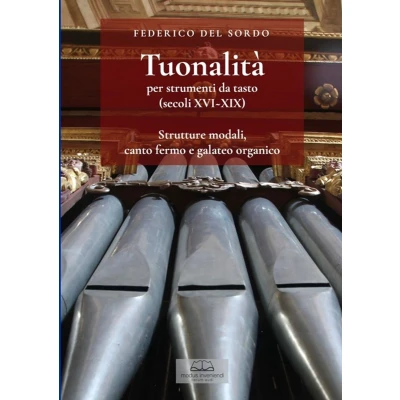
It unfolds across four chapters exploring the relationship between modal structures (understood as a complex of different musical grammars derived from Gregorian chant) and keyboard music, spanning from the Renaissance through to the end of the 19th century. Their mutual autonomy is only apparent, given that, quite clearly, they are interconnected by at least three themes which I consider fundamental in the field of studies on composition and performance practice for keyboard instruments. The starting point (first theme) is represented by the neo-Guidonian musical theory of plainchant (in Italian, canto fermo), which gave rise to the compositional principles of figured chant; essentially, this is a 'grand récit' corresponding to the structure and intrinsic functions of the concept of 'tone' (hence the neologism in the book's title, 'tuonalità'); here, this narrative is revisited and applied to one of the four forms which - together with the canzona, the toccata and the liturgical 'versetto' - has constituted the foundations of music for keyboard instruments for at least three centuries: the ricercare.
 Prijshistorie
 * Prijshistorie bevat geen data van Amazon, Amazon Marketplace.
Prijzen voor het laatst bijgewerkt op:
 Gerelateerde resultaten
 Productspecificaties


