

€ 9,16 Gratis verzending

Uitgelicht
|
|
9,16 |
Naar shop
|

|
9,16 |
Naar shop
|

|
10,50 |
Naar shop
|
| VERGELIJK ALLE AANBIEDERS (3) | ||
 Beschrijving
Vergelijk aanbieders (3)
€ 9,16 Gratis verzending
€ 9,16 Gratis verzending
€ 10,50 € 2,99 verzendkosten Totaal € 13,49
Winkels met andere maten
Beschrijving
(1)
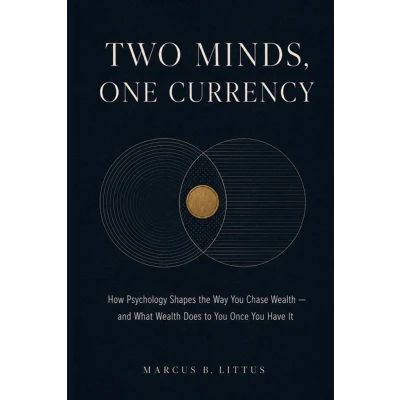
Why does more money so rarely feel like enough-and what happens to the mind when enough finally arrives?Most books about money focus on what to buy, where to invest, or how to save. This book asks a different question: what does money do to the way you think?Drawing on research from behavioural economics, cognitive psychology, social psychology, and neuroeconomics, this book explores ten powerful patterns shaping the relationship between money and the human mind.You will discover: - why wealth is often judged through comparison rather than purchasing power;- why the present repeatedly defeats the future in saving and spending decisions;- how modern payment systems reduce the psychological pain of spending;- what research really says about income and happiness;- how financial scarcity consumes attention and decision-making capacity;- whether advantage changes empathy and behaviour;- why lottery winners do not fit the story usually told about them;- why buying time and experiences often produces more lasting satisfaction than buying things;- how luck and starting position quietly disappear from stories of personal merit;- why greater wealth can create more options-and more paralysis.The book also examines the evidence behind several famous claims, including the supposed $75,000 happiness ceiling, the miserable lottery winner, and the idea that expensive-car drivers behave worse. Where studies have been challenged, narrowed, or only partially replicated, those limitations are addressed directly.This is not an investment guide, a manifesto against wealth, or a promise to make you financially smarter overnight.It is a field guide to recognising the psychological machinery operating beneath financial decisions-whether you are chasing money, spending it, saving it, or discovering what it changes once you have it.The mind that chases money and the mind that holds it are the same mind, running the same code on different inputs.
 Prijshistorie
 * Prijshistorie bevat geen data van Amazon, Amazon Marketplace.
Prijzen voor het laatst bijgewerkt op:
 Gerelateerde resultaten
 Productspecificaties


