

€ 59,90 Gratis verzending

Uitgelicht
|
|
59,90 |
Naar shop
|

|
59,90 |
Naar shop
|

|
69,99 |
Naar shop
|
| VERGELIJK ALLE AANBIEDERS (3) | ||
 Beschrijving
Vergelijk aanbieders (3)
€ 59,90 Gratis verzending
€ 59,90 Gratis verzending
€ 69,99 Gratis verzending
Winkels met andere maten
Beschrijving
(1)
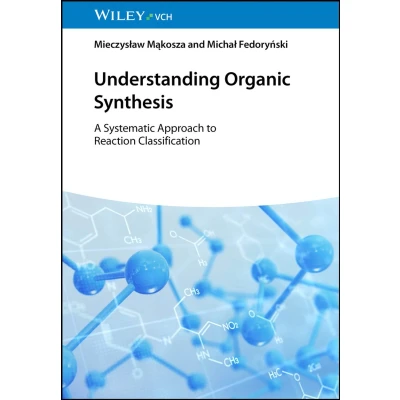
A unique and authoritative text on the fundamental principles of organic synthesis Understanding Organic Synthesis unveils the logic of organic synthesis by identifying and explaining the similarities and analogies between reactions, as well as the underlying principles that determine how and why various types of organic compounds react. It demonstrates that a wide variety of reactions are either variants or specific examples of a small number of fundamental reactions. After a brief introduction to the physicochemical principles of organic reactions, Understanding Organic Synthesis discusses: Classification of organic reactions into four main categories: nucleophilic, electrophilic, radical, and pericyclic reactions The impact of molecular structure on reactivity and the influence of external factors such as energy input, solvents, catalysts, and kinetic versus thermodynamic control Classification of nucleophilic agents and electron-deficient partners into five types each, creating 25 possible combinations, which are illustrated by key examples Classification of electrophilic agents into five and electron-rich partners into four types, creating 20 possible combinations, which are illustrated by key examples Ionic and radical reactions, supplemented by a discussion of pericyclic reactions Understanding Organic Synthesis is an authoritative text for graduate students and organic chemists in academia and industry to deepen their understanding of reaction pathways that can be used to optimize the synthesis of targeted products or the design of new compounds. A unique and authoritative text on the fundamental principles of organic synthesis Understanding Organic Synthesis unveils the logic of organic synthesis by identifying and explaining the similarities and analogies between reactions, as well as the underlying principles that determine how and why various types of organic compounds react. It demonstrates that a wide variety of reactions are either variants or specific examples of a small number of fundamental reactions. After a brief introduction to the physicochemical principles of organic reactions, Understanding Organic Synthesis discusses: Classification of organic reactions into four main categories: nucleophilic, electrophilic, radical, and pericyclic reactions The impact of molecular structure on reactivity and the influence of external factors such as energy input, solvents, catalysts, and kinetic versus thermodynamic control Classification of nucleophilic agents and electron-deficient partners into five types each, creating 25 possible combinations, which are illustrated by key examples Classification of electrophilic agents into five and electron-rich partners into four types, creating 20 possible combinations, which are illustrated by key examples Ionic and radical reactions, supplemented by a discussion of pericyclic reactions Understanding Organic Synthesis is an authoritative text for graduate students and organic chemists in academia and industry to deepen their understanding of reaction pathways that can be used to optimize the synthesis of targeted products or the design of new compounds.
 Prijshistorie
 * Prijshistorie bevat geen data van Amazon, Amazon Marketplace.
Prijzen voor het laatst bijgewerkt op:
 Gerelateerde resultaten
 Productspecificaties


