


€ 51,99 Gratis verzending

Uitgelicht
|
|
51,99 |
Naar shop
|

|
57,82 |
Naar shop
|
| VERGELIJK ALLE AANBIEDERS (2) | ||
 Beschrijving
Vergelijk aanbieders (2)
€ 51,99 Gratis verzending
€ 57,82 € 3,14 verzendkosten Totaal € 60,96
Winkels met andere maten
Beschrijving
(1)
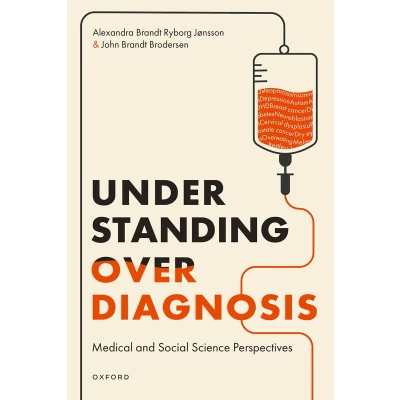
In both mental and somatic health, expanding diagnostic categories and increasingly sensitive technologies for detecting abnormalities are creating large populations of people who are diagnosed unnecessarily. Understanding Overdiagnosis equips clinicians and students with the tools to recognise overdiagnosis. What happens when the drive to detect and prevent disease leads medicine to cause harm? Advances in diagnostics, pharmaceuticals, and medical technologies have transformed once-fatal diseases into manageable conditions and extended life expectancy across the world. Earlier detection and sensitive diagnostic technologies are widely assumed to be inherently beneficial. However, overdiagnosis is a growing problem: the identification of conditions that would never have caused symptoms, harm, or death. In both mental and somatic health, expanding diagnostic categories and increasingly sensitive technologies for detecting abnormalities are creating large populations of people who are diagnosed unnecessarily. The consequences are profound: unnecessary treatment, anxiety, stigma, and the redirection of healthcare resources away from those who are genuinely ill. Overdiagnosis also carries broader societal implications, contributing to the rising environmental footprint of healthcare and reshaping how individuals understand health, responsibility, and risk. Drawing on over two decades of interdisciplinary research, Alexandra Jønsson and John Brodersen examine how overdiagnosis emerges at the intersection of technological innovation, institutional incentives, cultural expectations, and political priorities. Combining insights from medicine, anthropology, and the social sciences, Understanding Overdiagnosis moves beyond clinical debates to reveal the deeper assumptions that drive diagnostic expansion. Illuminating the medical, social, and ethical dimensions of overdiagnosis, the work equips clinicians, students, policymakers, and scholars with the tools to recognise when the promise of early detection begins to generate unintended harm -and how medicine might respond more thoughtfully to this challenge.
 Prijshistorie
 * Prijshistorie bevat geen data van Amazon.
Prijzen voor het laatst bijgewerkt op:
 Gerelateerde resultaten
 Productspecificaties


