


€ 37,99 Gratis verzending

Uitgelicht
|
|
37,99 |
Naar shop
|

|
38,65 |
Naar shop
|

|
38,65 |
Naar shop
|
| VERGELIJK ALLE AANBIEDERS (3) | ||
 Beschrijving
Vergelijk aanbieders (3)
€ 37,99 Gratis verzending
€ 38,65 Gratis verzending
€ 38,65 Gratis verzending
Winkels met andere maten
Beschrijving
(1)
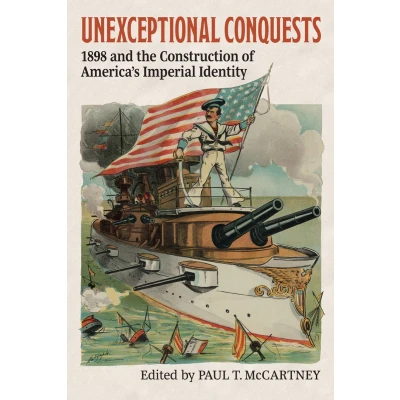
Leading scholars of American empire examine the construction of American imperial identity at the tail end of the nineteenth century. The War of 1898—also known as the Spanish–American War—was a pivotal moment in American history, in which the United States initiated an ostensibly humanitarian war against Spain in April yet emerged eight months later with a colonial empire over the people it claimed to rescue. This was immediately followed by the Philippine-American War, an ugly conflict in which the United States brutally suppressed Filipino nationalists who resisted American colonization. While historians have recognized the colonial ambitions of the United States throughout its early history, the events of 1898 highlighted, in stark clarity, the tension between the nation's exceptionalist claims to moral superiority and its highly unexceptional ambitions for imperial domination. Unexceptional Conquests gathers some of the foremost scholars of the Gilded Age and American empire to examine American identity around 1898. Its chapters collectively argue that empire has figured more prominently in the construction of American national identity than many accounts acknowledge. As Americans grappled with the imperatives arising from their post-1898 colonial ambitions, they found themselves developing new legal and policy frameworks that challenged some inherited constructs, such as those concerning the proper scale of government or the value of self-government, while reinforcing others, such as those regarding gender, racial, and religious hierarchies. American beliefs and practices needed to bend to accommodate its new imperial status, given the unprecedented decision to acquire territories and peoples who were intended never to become states and citizens. The contributors to this volume elucidate the cultural and intellectual origins and outcomes of these events. Without ignoring or downplaying the role of economic motivations for American conduct, this volume highlights the patterns of thought that both influence and are influenced by empire. Includes contributions by Sam Erman, Julian Go, Susan K. Harris, Fabian Hilfrich, Kristin L. Hoganson, Bonnie M. Miller, Julie Novkov, Louis A. PÉrez, Bartholomew H. Sparrow, and Lanny Thompson.
 Prijshistorie
 * Prijshistorie bevat geen data van Amazon, Amazon Marketplace.
Prijzen voor het laatst bijgewerkt op:
 Gerelateerde resultaten
 Productspecificaties


