

€ 12,82 Gratis verzending

Gesponsorde links
|
|
12,82 |
Naar shop
|

|
12,82 |
Naar shop
|

|
14,45 |
Naar shop
|
| VERGELIJK ALLE AANBIEDERS (3) | ||
 Beschrijving
Vergelijk aanbieders (3)
Gesponsorde links · Sommige shops betalen ons een vergoeding
€ 12,82 Gratis verzending
€ 12,82 Gratis verzending
€ 14,45 € 2,99 verzendkosten Totaal € 17,44
Winkels met andere maten
Beschrijving
(1)
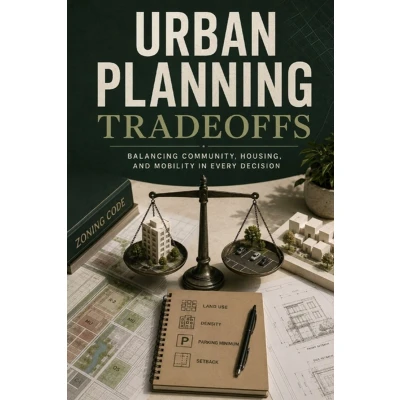
Urban Planning Tradeoffs approaches urban planning tradeoffs through the decisions, documents, measurements, and tradeoffs that shape real use. People often recognize the vocabulary before they understand how zoning, housing density, and parking minimums interact. The learning sequence connects foundations with actors, process, measurement, failure modes, rules, and practical evaluation. Tradeoffs around land use, public hearings, and neighborhood change are presented as practical choices with costs and evidence. Practical review questions turn the vocabulary of urban planning tradeoffs into habits for inspecting claims. The payoff is not certainty; it is better inspection of mechanisms, records, tradeoffs, and claims. The final perspective is deliberately balanced, preserving both the usefulness and parking minimums limits in urban planning tradeoffs. This gives planning a practical learning arc: terms first, then mechanisms, evidence, risks, and judgment. Readers get a field-specific way to discuss housing density, complete streets, and public hearings without collapsing them into one idea. Examples tied to neighborhood change help readers notice when a confident explanation needs more context or better records.
 Prijshistorie
* Prijshistorie bevat geen data van Amazon, Amazon Marketplace.
Prijzen voor het laatst bijgewerkt op:
 Gerelateerde resultaten
 Productspecificaties


