

€ 8,35 Gratis verzending

Uitgelicht
|
|
8,35 |
Naar shop
|

|
8,35 |
Naar shop
|

|
10,50 |
Naar shop
|
| VERGELIJK ALLE AANBIEDERS (3) | ||
 Beschrijving
Vergelijk aanbieders (3)
€ 8,35 Gratis verzending
€ 8,35 Gratis verzending
€ 10,50 € 2,99 verzendkosten Totaal € 13,49
Winkels met andere maten
Beschrijving
(1)
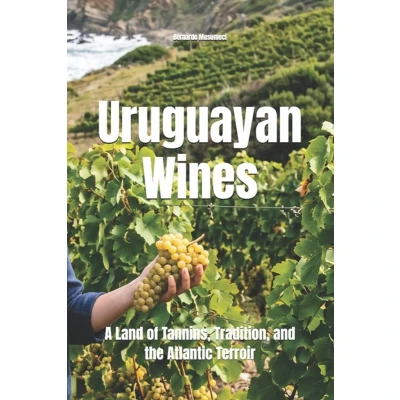
Uruguayan Wines: A Land of Tannins, Tradition, and the Atlantic Terroir Discover the history and sophistication of Uruguayan winemaking in this definitive work. This book is an essential guide for enthusiasts and experts who wish to unravel the oenological profile of a country that has established itself as a jewel of South America, combining the passion of European immigrants with the uniqueness of its temperate maritime climate. Highlights of the Book: The Era of Tannat: The fascinating history of this iconic grape variety, from its introduction by Pascual Harriague in the 19th century to the technical reinvention that transformed it into world-class wines with polished tannins and great aging potential. The Atlantic Style: A detailed analysis of the terroir that defines Uruguay, where the constant sea breeze and the Rio de la Plata act as climatic moderators, imparting vibrant acidity and minerality to the wines. Map of the Regions: A detailed tour through the distinct wine-growing zones: Canelones: The historical and productive heart, the cradle of modern Uruguayan winemaking. Maldonado: The epicenter of avant-garde and freshness, with its granitic and basaltic soils. Colonia: The geological treasure of rare limestone and the strategic influence of the Rio de la Plata. Diversity beyond Tannat: Explore the meteoric rise of Albariño, the freshness of Sauvignon Blanc, the elegance of Merlot, and the promise of emerging varieties such as Marselan and Pinot Noir. >Future and Sustainability: A vision of the trends, sustainable viticulture practices, and growing technical sophistication that places Uruguay among the most respected wine-producing nations on the global stage. Immerse yourself in this sensory journey and understand why Uruguay is today one of the most fascinating destinations for those seeking authenticity, history, and excellent wines.
 Prijshistorie
 * Prijshistorie bevat geen data van Amazon, Amazon Marketplace.
Prijzen voor het laatst bijgewerkt op:
 Gerelateerde resultaten
 Productspecificaties


