


€ 15,00 € 2,99 verzendkosten Totaal € 17,99

Uitgelicht
|
|
15,00 |
Naar shop
|

|
19,25 |
Naar shop
|

|
19,25 |
Naar shop
|
| VERGELIJK ALLE AANBIEDERS (3) | ||
 Beschrijving
Vergelijk aanbieders (3)
€ 15,00 € 2,99 verzendkosten Totaal € 17,99
€ 19,25 Gratis verzending
€ 19,25 Gratis verzending
Winkels met andere maten
Beschrijving
(1)
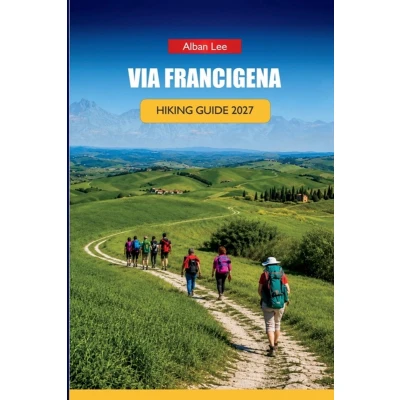
How do you plan a 2,000-kilometer pilgrimage across four countries when the trail markings change quality from village to village and half the hostels won't take an online booking? That's the real challenge behind walking the Via Francigena, and it's exactly what this guide addresses. Independent walkers heading from Canterbury to Rome face a route with almost no centralized planning resource, and that gap creates real risk: missed hostel beds, mistimed Alpine crossings, and days lost to navigation confusion in rural France. Inside, you'll find practical approaches to: - Choosing between the full crossing and sectional walking, with clear guidance on day hikes versus multi-day treks- Understanding the pilgrim credential system and how it affects hostel access- Navigating waymarking inconsistencies country by country, with offline GPS setup for the gaps- Booking pilgrim hostels, gîtes, and the Great St Bernard Hospice by phone and email, since most don't take online reservations- Planning around the seasonal Alpine crossing window at Great St Bernard Pass- Stage-by-stage hikes across three difficulty levels, from beginner routes in Tuscany to the advanced Alpine crossing itself- Ready-made 3-day, 5-day, and 7-day itineraries for walkers who can't commit to the full route This guide is built for walkers who want to manage their own logistics rather than follow a guided tour, and who'd rather plan around real trail conditions than generic travel advice. Whether you're tackling the entire pilgrimage or a single memorable stretch, the stage breakdowns and booking insights here are meant to be used on the trail, not just read before it. Get your copy now and start planning your Via Francigena walk with stage-by-stage insights built for how the route actually works.
 Prijshistorie
 * Prijshistorie bevat geen data van Amazon, Amazon Marketplace.
Prijzen voor het laatst bijgewerkt op:
 Gerelateerde resultaten
 Productspecificaties


