


€ 66,06 Gratis verzending

Uitgelicht
|
|
66,06 |
Naar shop
|

|
67,95 |
Naar shop
|

|
67,95 |
Naar shop
|
| VERGELIJK ALLE AANBIEDERS (3) | ||
 Beschrijving
Vergelijk aanbieders (3)
€ 66,06 Gratis verzending
€ 67,95 Gratis verzending
€ 67,95 Gratis verzending
Winkels met andere maten
Beschrijving
(1)
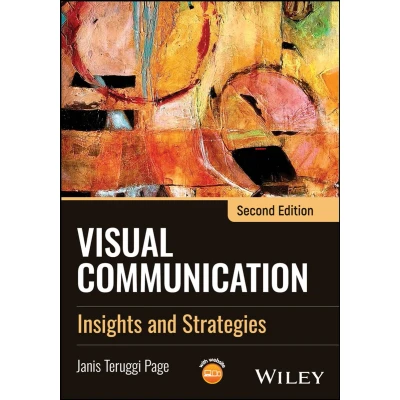
Analyze and create visual content through five critical theoretical frameworks Now in its Second Edition, Visual Communication Insights and Strategies equips readers to interpret and strategically produce visual imagery in a media environment saturated with multi-mediated, manipulated, and machine-learning-generated content. Using a research-evaluate-create approach, this text grounds visual analysis in time-tested theories and methodologies—semiotics, rhetoric, visual metaphor, visual narrative, and symbolic convergence—giving readers the tools to both critique and craft visual messages across communication fields. This edition features more than 90 new full-color images and evocative chapter-opening imagery addressing contemporary visual culture issues. Expanded chapters cover brand marketing, events, and organizational communication, while a new chapter addresses social media and websites. AI coverage spans five chapters, examining its role in political messaging, data visualizations, and the ethics of faked imagery. Content on diversity, equity, and inclusion runs throughout, and refreshed end-of-chapter activities offer applied challenges. Designed for 300- and 400-level courses in visual communication, visual rhetoric, visual literacy, visual culture, and media criticism, this text serves advanced undergraduates preparing for careers in advertising, marketing, public relations, journalism, graphic design, and social media who need both robust analytical frameworks and applied creative skills to succeed. Analyze, critique, and create visual content across communication careers Now in its Second Edition, Visual Communication Insights and Strategies equips advanced undergraduates with five theoretical lenses—visual rhetoric, semiotics, visual metaphor, visual narrative, and visual symbolic convergence—for analyzing and producing visual content. Written by Fulbright awardee Janis Teruggi Page, the book applies its Research Evaluate Create approach to professional fields including advertising, marketing, public relations, journalism, and social media. This updated edition includes more than 90 new visual images and expanded chapters on marketing, public relations, events, organizational communication, and a new chapter on social media and websites. Coverage of AI addresses both its strategic applications in brand marketing and data visualization and its role in faked imagery and misinformation. Readers will also find: Evocative chapter-opening imagery that prompts discussion on how visuals shape social and mediated worlds and professional practice A three-part progressive structure moving from foundational visual communication theory through interpretation methods to career-focused professional applications Coverage of diversity, equity, and inclusion topics including immigrant rights, body image, gender equality, and LGBTQ+ identities throughout Intercultural communication content expanded globally to address visual meaning-making across cultural contexts and international audiences Rhetorical criticism paired with creative engagement, teaching students to recognize symbols, analogies, stories, fantasies, and gestalts in images Designed for 300- and 400-level courses in visual communication, visual rhetoric, visual literacy, visual culture, and media criticism, this text serves advanced undergraduates preparing for careers in advertising, marketing, public relations, journalism, graphic design, and social media who need both analytical frameworks and applied creative skills. Refreshed practice activities close each chapter.
 Prijshistorie
 * Prijshistorie bevat geen data van Amazon, Amazon Marketplace.
Prijzen voor het laatst bijgewerkt op:
 Gerelateerde resultaten
 Productspecificaties


