
Vocational Training in Indo-German Cooperation, 19501989: Between Development Politics and Business Interests: 24
Uitgelicht

|
46,99 |
Naar shop
|

|
49,95 |
Naar shop
|

|
49,95 |
Naar shop
|
| VERGELIJK ALLE AANBIEDERS (3) | ||
 Beschrijving
Bol
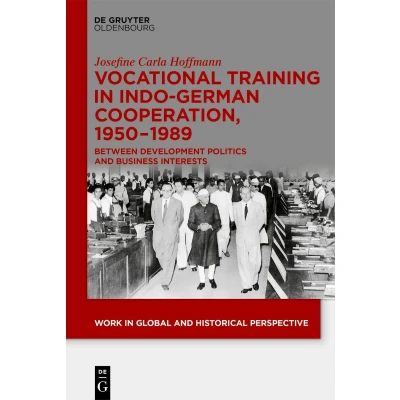
Indo-German cooperation in vocational training is a timely topic, as politicians, scholars, and the media highlight problems in India’s skill formation system and point to the ‘German model’ as inspiration. This book offers the first comprehensive historical analysis of Indo-German entanglements in this field. From the 1950s onward, projects between the Federal Republic of Germany and independent India evolved amid political, economic, and cultural considerations, as well as Cold War tensions. The dual apprenticeship model, marked as German, was seen as especially attractive for India’s expanding steel and engineering industries, key pillars of the country’s developmental project. The book traces vocational training policy from national and bilateral negotiations to the labour market. It examines skilling as part of postcolonial industrialization policy, Indo-German diplomacy, and business cooperation. Drawing on diverse materials and research tools, the study reflects on concepts of skill, institutional priorities, and the cooperation’s impact on workers’ lives and careers. It thus contributes to our understanding of India’s early ‘formal sector’ and the structural limits of ‘knowledge transfer’.


 Beschrijving
(1)
Beschrijving
(1)
Indo-German cooperation in vocational training is a timely topic, as politicians, scholars, and the media highlight problems in India’s skill formation system and point to the ‘German model’ as inspiration. This book offers the first comprehensive historical analysis of Indo-German entanglements in this field. From the 1950s onward, projects between the Federal Republic of Germany and independent India evolved amid political, economic, and cultural considerations, as well as Cold War tensions. The dual apprenticeship model, marked as German, was seen as especially attractive for India’s expanding steel and engineering industries, key pillars of the country’s developmental project. The book traces vocational training policy from national and bilateral negotiations to the labour market. It examines skilling as part of postcolonial industrialization policy, Indo-German diplomacy, and business cooperation. Drawing on diverse materials and research tools, the study reflects on concepts of skill, institutional priorities, and the cooperation’s impact on workers’ lives and careers. It thus contributes to our understanding of India’s early ‘formal sector’ and the structural limits of ‘knowledge transfer’.
 Productspecificaties
 Prijshistorie
* Prijshistorie bevat geen data van Amazon, Amazon Marketplace.
Prijzen voor het laatst bijgewerkt op:
 Gerelateerde resultaten


