


€ 51,99 Gratis verzending

Uitgelicht
|
|
51,99 |
Naar shop
|

|
53,49 |
Naar shop
|
| VERGELIJK ALLE AANBIEDERS (2) | ||
 Beschrijving
Vergelijk aanbieders (2)
€ 51,99 Gratis verzending
€ 53,49 Gratis verzending
Winkels met andere maten
Beschrijving
(1)
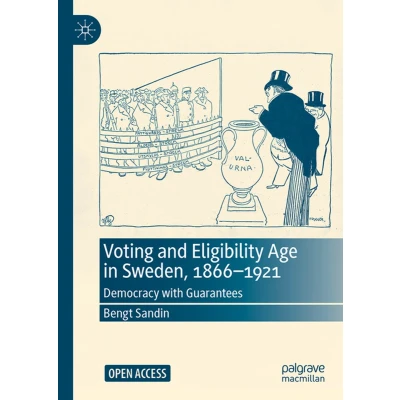
line-height: 107%;">This open access book explores the background to the electoral reforms of 1907-1921 in Sweden, when the voting age was raised from 21 years to 23 for the second chamber and the municipalities, and to 27 for the county councils and the first chamber. “Bengt Sandin’s impressive volume makes a compelling argument to consider the political importance age limits have played (and still play) for electoral reform. His insights from the case of Sweden, especially concerning the socioeconomic and cultural narratives of age and gender reformists employed to defend their interests, show us how to regard the significance of the minimum voting age for the history of democracy in new ways.” —Birgitta Bader-Zaar, University of Vienna, Austria This open access book explores the background to the electoral reforms of 1907-1921 in Sweden, when the voting age was raised from 21 years to 23 for the second chamber and the municipalities, and to 27 for the county councils and the first chamber. This increase in voting ages was unique in an international context. Previous research and contemporary conservative and liberal rhetoric argued that the increase in the voting age was socially and politically neutral. This book questions that view. The liberal and conservative parties launched universal suffrage reforms and raised the voting age to exclude the young, unestablished and unmarried parts of the population. The ambition was to limit the increasing political influence of the cities and the working class. A higher voting and eligibility age would limit the negative effects of universal suffrage. The changes were also an effect of the tension between town and country and the consequence of a long-term demographic transformation with profound effects on the social and pollical structure of the nation. Bengt Sandin is Professor Emeritus at the Department of Child Studies at the University of Linköping, Sweden. This open access book explores the background to the electoral reforms of 1907-1921 in Sweden, when the voting age was raised from 21 years to 23 for the second chamber and the municipalities, and to 27 for the county councils and the first chamber. This increase in voting ages was unique in an international context. Previous research and contemporary conservative and liberal rhetoric argued that the increase in the voting age was socially and politically neutral. This book questions that view. The liberal and conservative parties launched universal suffrage reforms and raised the voting age to exclude the young, unestablished and unmarried parts of the population. The ambition was to limit the increasing political influence of the cities and the working class. A higher voting and eligibility age would limit the negative effects of universal suffrage. The changes were also an effect of the tension between town and country and the consequence of a long-term demographic transformation with profound effects on the social and pollical structure of the nation.
 Prijshistorie
 * Prijshistorie bevat geen data van Amazon.
Prijzen voor het laatst bijgewerkt op:
 Gerelateerde resultaten
 Productspecificaties


