


€ 165,00 Gratis verzending

Uitgelicht
|
|
165,00 |
Naar shop
|

|
224,31 |
Naar shop
|

|
224,31 |
Naar shop
|
| VERGELIJK ALLE AANBIEDERS (3) | ||
 Beschrijving
Vergelijk aanbieders (3)
€ 165,00 Gratis verzending
€ 224,31 Gratis verzending
€ 224,31 Gratis verzending
Winkels met andere maten
Beschrijving
(1)
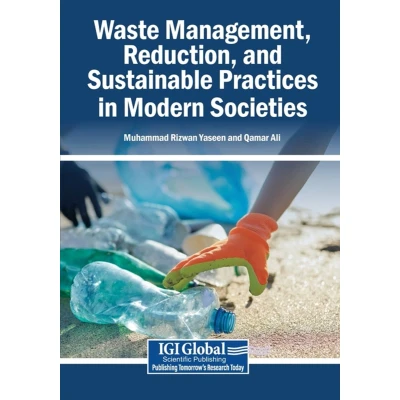
Electronic waste (e-waste) is one of the fastest-growing waste streams globally, driven by rapid technological change and shorter device life cycles. While these trends have expanded access to innovation, they have also intensified environmental and health risks due to the presence of hazardous materials and the persistence of informal recycling practices. At the same time, e-waste holds significant value as a source of recoverable metals, creating opportunities for more sustainable, circular systems if managed effectively. Advances in intelligent and data-driven technologies are beginning to reshape how e-waste is monitored, processed, and recovered, positioning it as both a critical challenge and a strategic resource in modern waste management. Waste Management, Reduction, and Sustainable Practices in Modern Societies explores how emerging technologies, progressive policy frameworks, circular economy principles, and community engagement can be integrated to build resilient and environmentally sound recycling systems. Through an interdisciplinary lens, this book combines both theoretical insights and practical applications to highlight the role of digital transformation and smart technologies in enhancing the efficiency, transparency, and sustainability of recycling systems. Covering topics such as artificial intelligence, global awareness, and tracing and tracking solutions, this book is an indispensable academic resource for graduate and doctoral students, environmental engineers, waste management professionals, sustainability policy analysts, urban planners, policymakers, and more.
 Prijshistorie
 * Prijshistorie bevat geen data van Amazon, Amazon Marketplace.
Prijzen voor het laatst bijgewerkt op:
 Gerelateerde resultaten
 Productspecificaties


