


€ 15,00 € 2,99 verzendkosten Totaal € 17,99

Gesponsorde links
|
|
15,00 |
Naar shop
|

|
21,31 |
Naar shop
|
| VERGELIJK ALLE AANBIEDERS (2) | ||
 Beschrijving
Vergelijk aanbieders (2)
Gesponsorde links · Sommige shops betalen ons een vergoeding
€ 15,00 € 2,99 verzendkosten Totaal € 17,99
€ 21,31 € 6,99 verzendkosten Totaal € 28,30
Winkels met andere maten
Beschrijving
(1)
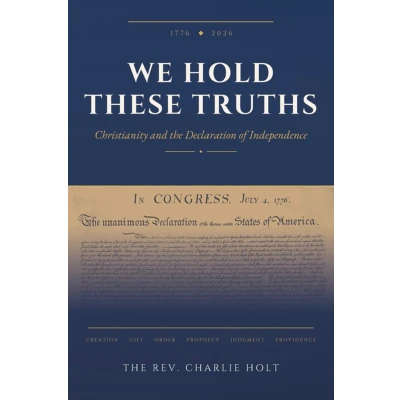
Two hundred and fifty years after the Declaration of Independence, Americans on every side still reach for its words. But do we remember what made them true?All men are created equal. Endowed by their Creator. The pursuit of happiness. The Rev. Charlie Holt asks what happens when a people keeps using words like these while forgetting what made them true in the first place. He calls it the cut flower problem: a flower cut from its roots holds its color and shape for a while, but it is already dying, and there is no way back to the ground it came from.Chapter by chapter, Holt takes six phrases from the Declaration and traces each one back to the soil it grew from: Genesis, natural law, the prophets of Israel, and the Book of Common Prayer. The story moves forward through Jefferson's broken conscience, Frederick Douglass's furious hope, Lincoln's Second Inaugural, and the Supreme Court's own words in Planned Parenthood v. Casey. The founders do not get a halo, and their critics do not get the last word. What Holt asks of every reader is harder than picking a side: can truths like these still be held once their roots have been cut away this long, and what would it take to plant them again?Inside:Six chapters: Created Equal, Unalienable, Nature's God, Prophetic Indictment, The Supreme Judge, and Divine ProvidenceQuestions for reflection and discussion at the end of each chapterAn appendix of fourteen primary source documents, including the Declaration itself, the churches of the fifty-six signers, the antislavery passage Congress struck from Jefferson's draft, and texts by Locke, Sidney, Aquinas, Douglass, Lincoln, and AugustineBibliographyThe book grew out of a six-week parish teaching series marking the 250th anniversary of the Declaration. It is written for a study group of any kind, and for anyone who has ever wondered whether the words of America's founding document still mean what they say.
 Prijshistorie
* Prijshistorie bevat geen data van Amazon.
Prijzen voor het laatst bijgewerkt op:
 Gerelateerde resultaten
 Productspecificaties


