


€ 13,00 € 2,99 verzendkosten Totaal € 15,99

Uitgelicht
|
|
13,00 |
Naar shop
|

|
22,00 |
Naar shop
|
| VERGELIJK ALLE AANBIEDERS (2) | ||
 Beschrijving
Vergelijk aanbieders (2)
€ 13,00 € 2,99 verzendkosten Totaal € 15,99
€ 22,00 Gratis verzending
Winkels met andere maten
Beschrijving
(1)
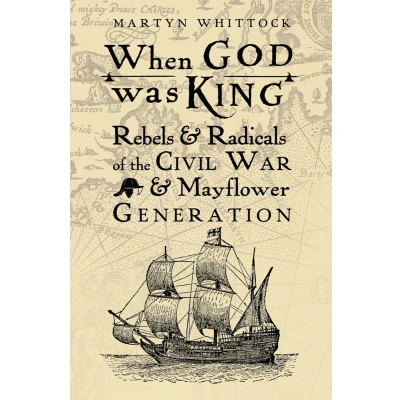
An accessible and clear guide to complex 17th century political and religious history. Islam is not the only religion that has sought political power, or believed that it should be possible to create a theocracy. In the seventeenth century, Christians in the British Isles and North America attempted to follow the examples of sixteenth-century European radicals, while attempting to learn from their mistakes. This occured first in Scotland, and then during the upheavals of the Civil Wars, culminating in Oliver Cromwell attempting to impose just such a rule "of the saints" across the whole country. On the other side of the Atlantic the Mayflower "Pilgrims" and other "godly" colonists sought to establish a New Jerusalem in the New World. At the same time, millenarian groups planned a religious, political, and social revolution to usher in the return of Christ; while others argued for something akin to modern democracy and some a form of rural communism. And even after the Restoration of the monarchy in 1660, millenarian groups continued to plot an overturning of the world order. Among groups, such as the Quakers, their faith continued to have a radical impact on their politics and their seventeenth-century legacy influenced the later development of Dissent and Nonconformity in the United Kingdom and in North America. Nor is Christian political radicalism dead today - it has influenced politicians ever since, and can be seen in recent political developments in the USA in the twenty-first century. This book is a fascinating study of the ideas and actions of these political radicals and the kind of societies and life experiences that produced them. Islam is not the only religion that has sought to take political power, or believed that it should be possible to create a theocracy. In the 17th century, Christians in the British Isles and North America attempted to follow the examples of 16th century European radicals of contrasting types, while attempting to learn from their mistakes - first in Scotland, and then Cromwell tried to impose just such a rule in the rest of the country. At the same time, millenarian groups planned a religious, political and social revolution to usher in the return of Christ; while others argued for something akin to communism. And even after the Restoration of the monarchy in 1660, there were sects, such as the Quakers, whose faith had a radical impact on their politics. Nor is Christian political radicalism dead today - it has influenced politicians ever since, and can be seen in recent political developments in the USA in the twenty-first century. This book is a fascinating study of the ideas and actions of these political radicals and the kind of societies and life experiences that produced them.
 Productspecificaties
| EAN |
|
|---|---|
| Maat |
|
 Prijshistorie
Prijzen voor het laatst bijgewerkt op:
 Gerelateerde resultaten


