


€ 13,00 € 2,99 verzendkosten Totaal € 15,99

Uitgelicht
|
|
13,00 |
Naar shop
|
| VERGELIJK ALLE AANBIEDERS (1) | ||
 Beschrijving
Vergelijk aanbieders (1)
€ 13,00 € 2,99 verzendkosten Totaal € 15,99
Winkels met andere maten
Beschrijving
(1)
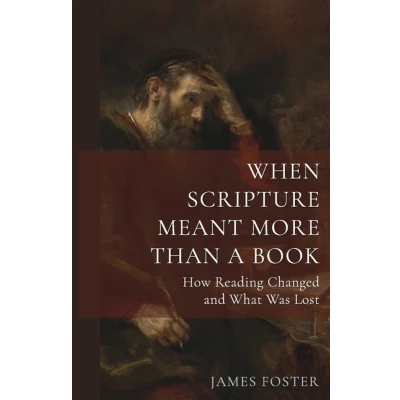
Modern Christians often treat Scripture as a fixed, self-interpreting object. The early Church treated it as a formative practice.For the first Christians, Scripture was not a rulebook waiting to be decoded-it was a way of seeing and becoming. Reading meant participation, not extraction. Meaning unfolded through communal life, symbolic reasoning, and habits designed to reshape the soul.What this book doesIt recovers how the early Church actually read-allegorically, liturgically, and transformatively. It shows why participatory metaphysics was normal in the ancient Christian intellectual world. And it argues that modern scholarship was never meant to replace Scripture's formative use, but to support it.Inside you'll findA clear account of "spiritual reading" without anti-intellectual nostalgia. Historical and philosophical context for patristic interpretation. A practical invitation to recover Scripture as a ladder for ascent.This book is forThoughtful Christians who sense something has been lost. Clergy seeking deeper preaching and teaching resources. Readers of patristics, hermeneutics, and Christian Platonism. Seekers willing to examine their own assumptions.Not a puzzle meant for solving. A practice meant for transformation.
 Productspecificaties
| EAN |
|
|---|---|
| Maat |
|
 Prijshistorie
 Prijzen voor het laatst bijgewerkt op:
 Gerelateerde resultaten


