

€ 11,95 Gratis verzending

Gesponsorde links
|
|
11,95 |
Naar shop
|

|
11,95 |
Naar shop
|

|
12,50 |
Naar shop
|
| VERGELIJK ALLE AANBIEDERS (3) | ||
 Beschrijving
Vergelijk aanbieders (3)
Gesponsorde links · Sommige shops betalen ons een vergoeding
€ 11,95 Gratis verzending
€ 11,95 Gratis verzending
€ 12,50 € 2,99 verzendkosten Totaal € 15,49
Winkels met andere maten
Beschrijving
(1)
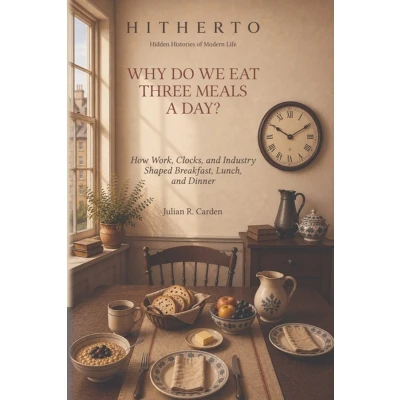
WHY DO WE EAT THREE MEALS A DAY? How Work, Clocks, and Industry Shaped Breakfast, Lunch, and DinnerBreakfast. Lunch. Dinner. Three meals, spaced neatly across the day, can feel almost as natural as morning, afternoon, and evening.But there is nothing inevitable about eating this way.Across history, people have eaten at different times, skipped meals we now consider essential, eaten their main meal in the middle of the day, or organized food around daylight, labor, religion, class, and local custom. The familiar three-meal day emerged gradually as work became more tightly scheduled, clocks became more important, cities and factories imposed new rhythms, schools organized children's days, and food businesses learned to sell to increasingly predictable moments of hunger.Why Do We Eat Three Meals a Day? traces the surprising history behind one of modern life's most ordinary routines. It explores how breakfast acquired its special status, how lunch became part of the working day, why dinner moved later, and how factories, offices, schools, advertising, restaurants, packaged food, and changing family life helped turn flexible eating habits into recognizable meal times.This is not simply a history of food. It is a history of time-and of the systems that taught millions of people when eating was supposed to happen.Because the question behind breakfast, lunch, and dinner is not only what did people eat?It is: Who decided when it was time to eat?
 Prijshistorie
* Prijshistorie bevat geen data van Amazon, Amazon Marketplace.
Prijzen voor het laatst bijgewerkt op:
 Gerelateerde resultaten
 Productspecificaties


