

€ 18,60 Gratis verzending

Uitgelicht
|
|
18,60 |
Naar shop
|

|
18,60 |
Naar shop
|

|
19,00 |
Naar shop
|
| VERGELIJK ALLE AANBIEDERS (3) | ||
 Beschrijving
Vergelijk aanbieders (3)
€ 18,60 Gratis verzending
€ 18,60 Gratis verzending
€ 19,00 € 2,99 verzendkosten Totaal € 21,99
Winkels met andere maten
Beschrijving
(1)
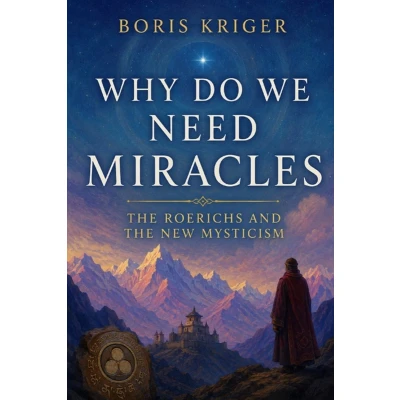
Why does a species that learned to split the atom still knock on wood? We have mapped the genome, photographed a black hole, and taught sand to think, and yet we light candles in the dark, cross our fingers, and feel a shiver on a mountaintop that no instrument can explain. The hunger for the miraculous did not die when science arrived. It simply changed clothes. This book takes one vivid, controversial case and follows it all the way down. Nicholas and Helena Roerich, painters and prophets of the inner fire, built a teaching they called Agni Yoga and a vision of culture as something sacred enough to protect by treaty. Around their strange and luminous story gathers a larger and more personal question: why human beings need miracles at all, and what that need reveals about the kind of creature we are. Neither a debunking nor a sermon, this is a field guide to wonder. It walks the hunger for the invisible into the brain scanner and the laboratory, onto the high passes of the Himalayas and into the minds of grieving animals. It asks where the future of science stops looking like science and starts looking like magic, why faith in a miracle so often outmuscles faith in a proof, where vision shades into illness, and whether anything like awe stirs behind the eyes of an elephant. The Roerichs walk through every chapter, painters and suspects both, but the real subject is the reader, the mystic animal who cannot quite put out the fire. Mysticism, wonder, consciousness, the Roerichs, neuroscience of awe, faith, the future of science
 Prijshistorie
 * Prijshistorie bevat geen data van Amazon, Amazon Marketplace.
Prijzen voor het laatst bijgewerkt op:
 Gerelateerde resultaten
 Productspecificaties


